
The corners of a living room are often the most overlooked areas in interior design. Frequently left empty or cluttered with utility items, these “dead zones” possess immense potential to elevate the overall ambiance of a home. Whether you are working with a sprawling open-concept space or a compact apartment, transforming a corner can add layers of texture, functionality, and personality.
By strategically placing furniture, lighting, and greenery, you can turn a neglected angle into a focal point that feels intentional and designer-curated. From functional reading nooks to purely aesthetic sculptural displays, here are 20 inspired ideas to help you maximize every square inch of your living room.
1. Accent Chair

One of the most classic ways to fill a corner is with a statement accent chair. This not only provides additional seating for guests but also creates a visual anchor for the room. To achieve a designer look, choose a chair that contrasts with your main sofa—if your sofa is neutral, opt for a bold color or a rich texture like velvet or boucle. Pair it with a small side table and a textile to create an inviting vignette that feels complete.
2. Tall Plant
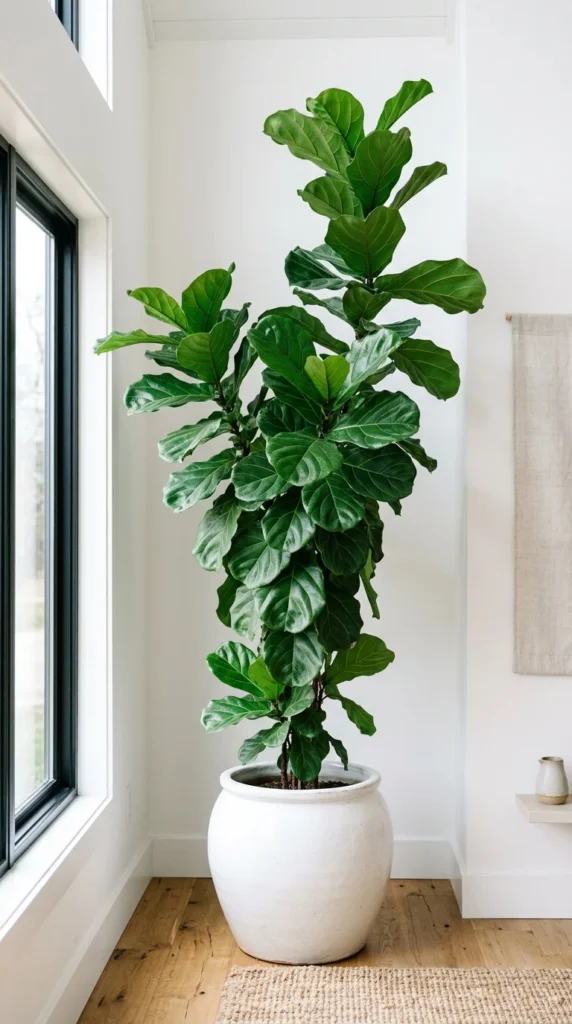
Biophilic design is a staple of high-end interiors. A tall, architectural plant like a Fiddle Leaf Fig, an Olive Tree, or a Bird of Paradise can breathe life into a stagnant corner. The height of the plant draws the eye upward, making the ceilings feel taller. Choose a pot that complements your decor style—terracotta for a Mediterranean vibe, matte black for a modern look, or woven seagrass for a coastal feel.
3. Floating Shelves
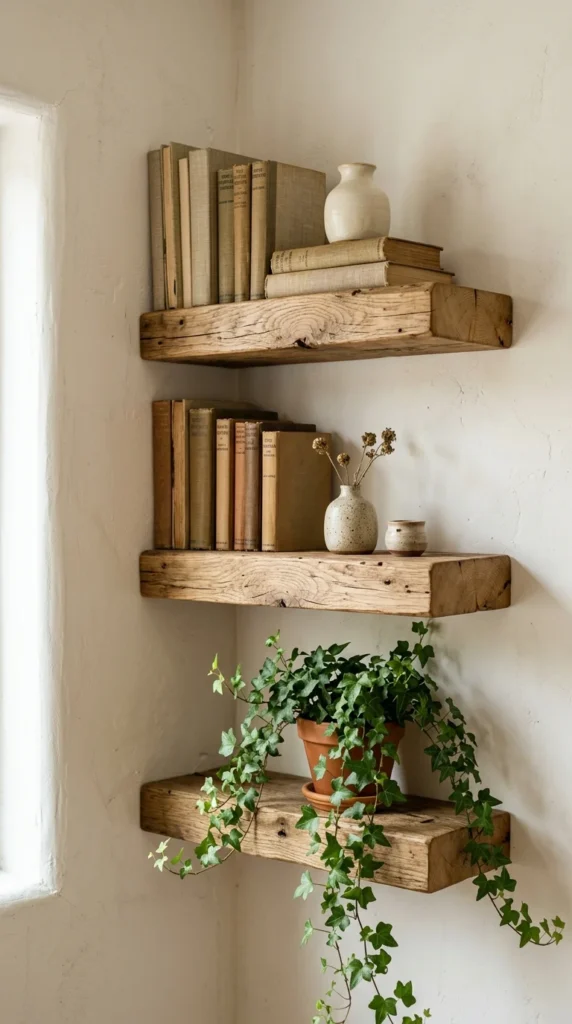
Corner floating shelves are an excellent solution for small spaces where floor real estate is limited. They provide a platform for “shelfies”—curated displays of art, books, and collectibles. Staggering the shelves or using L-shaped corner shelves adds architectural interest. This approach keeps the floor clear while drawing the gaze toward a beautifully styled vertical display.
4. Floor Lamp
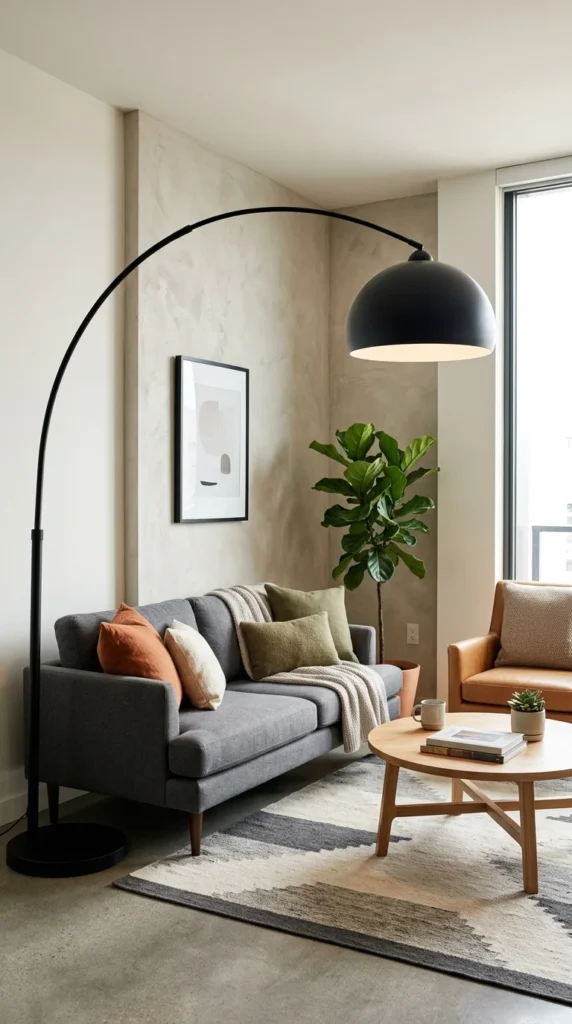
Lighting is the secret ingredient to a cozy home. A corner is the perfect spot for an oversized floor lamp or a sculptural arc lamp. This adds a “third layer” of lighting (accent lighting) that creates warmth in the evening. Look for lamps with interesting silhouettes or mixed materials, such as brass and marble, to ensure the piece looks like a work of art even when it is turned off.
5. Gallery Wall
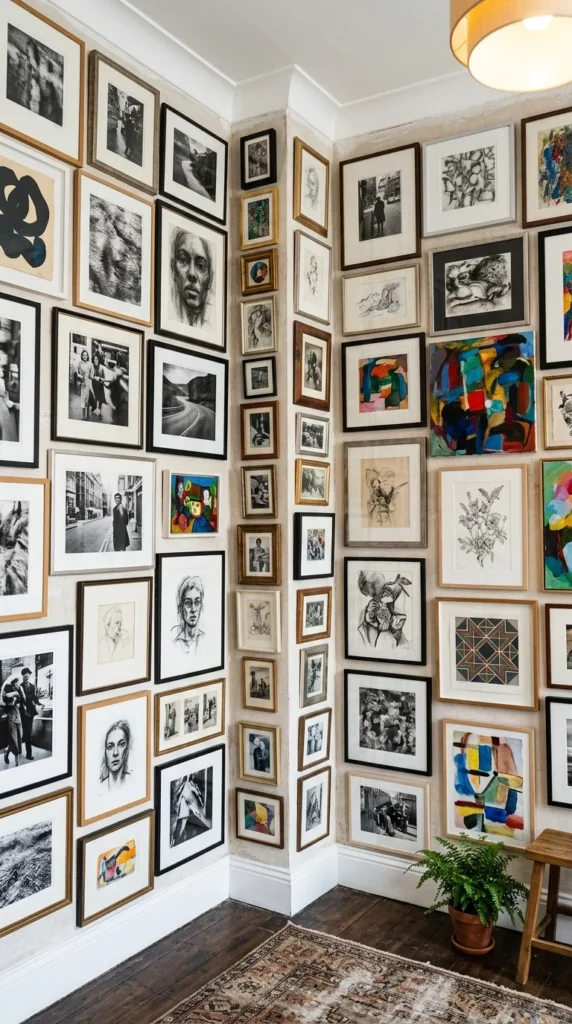
Don’t let the corner seam stop your creativity. A “wrap-around” gallery wall that utilizes both meeting walls can create a stunning immersive effect. This technique blurs the hard lines of the corner and makes the space feel more expansive. Use consistent frame colors for a cohesive look, or mix-and-match frames for a bohemian, lived-in gallery feel.
6. Bar Cart
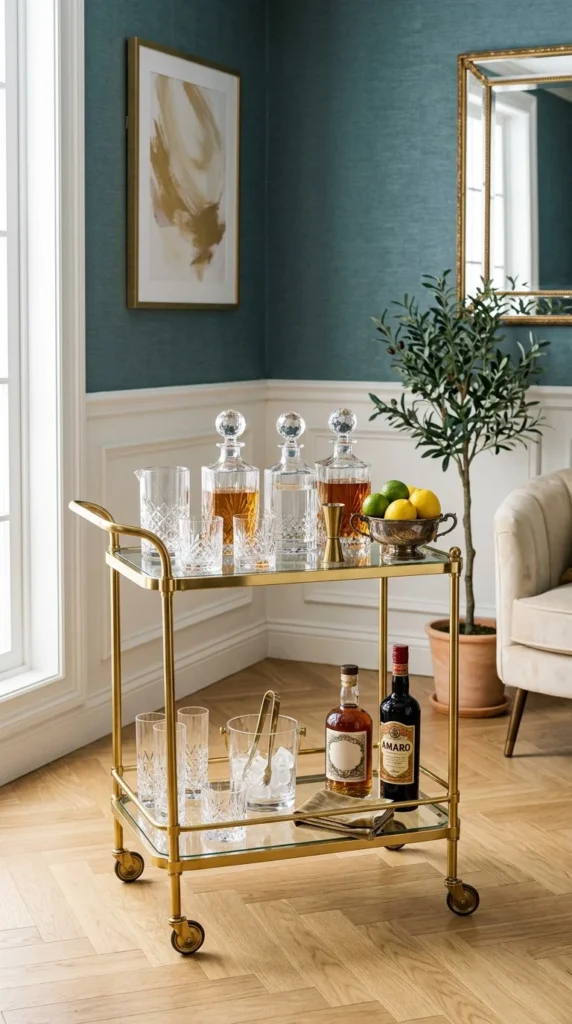
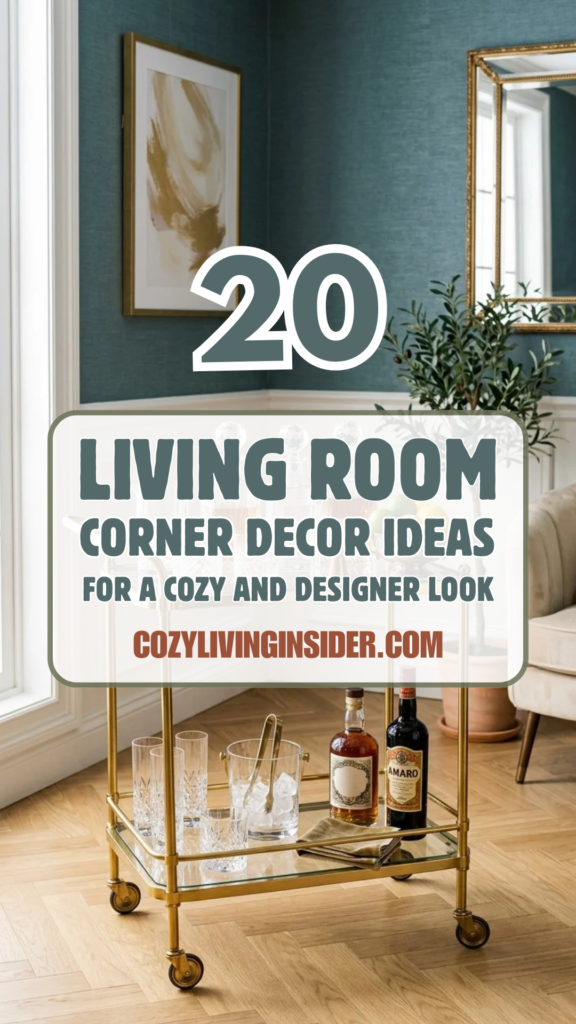
A corner bar cart is the ultimate designer touch for those who love to entertain. It transforms a functional dead space into a destination. Style your cart with high-quality spirits, vintage glassware, and a small lamp or a vase of flowers. If you don’t drink alcohol, the same concept works beautifully as a coffee station or a dedicated tea nook.
7. Floor Mirror
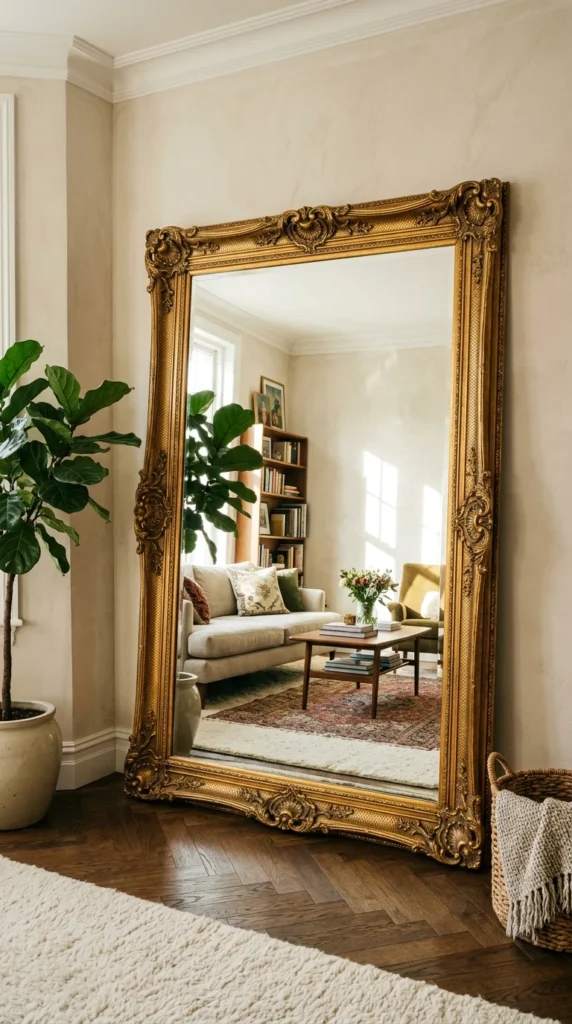
Leaning a large floor mirror in a corner is a classic designer trick to make a room feel twice as big. Mirrors bounce light around the space and create a sense of depth. An arched or oversized rectangular mirror acts as a statement piece of furniture. For a cozy touch, place a small sheepskin rug or a basket of pillows at the base of the mirror to ground it.
8. Hanging Chair
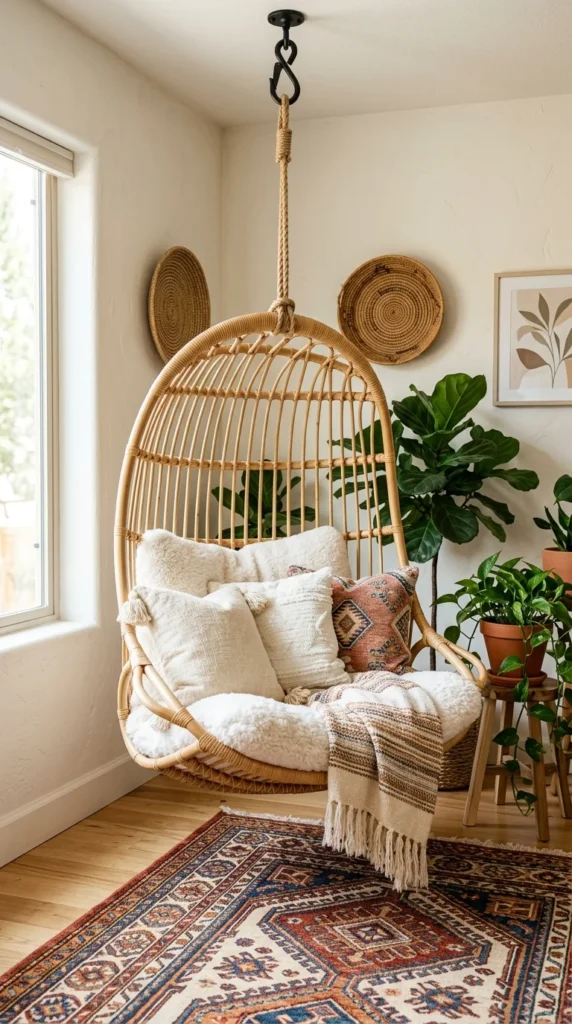
For a playful and cozy vibe, a hanging chair is an unexpected addition that adds whimsy to a living room. Rattan or macramé versions work well for relaxed, coastal, or boho-themed spaces. Because the chair is suspended, it leaves the floor visible, which helps maintain a sense of openness and airiness in the corner.
9. Corner Desk
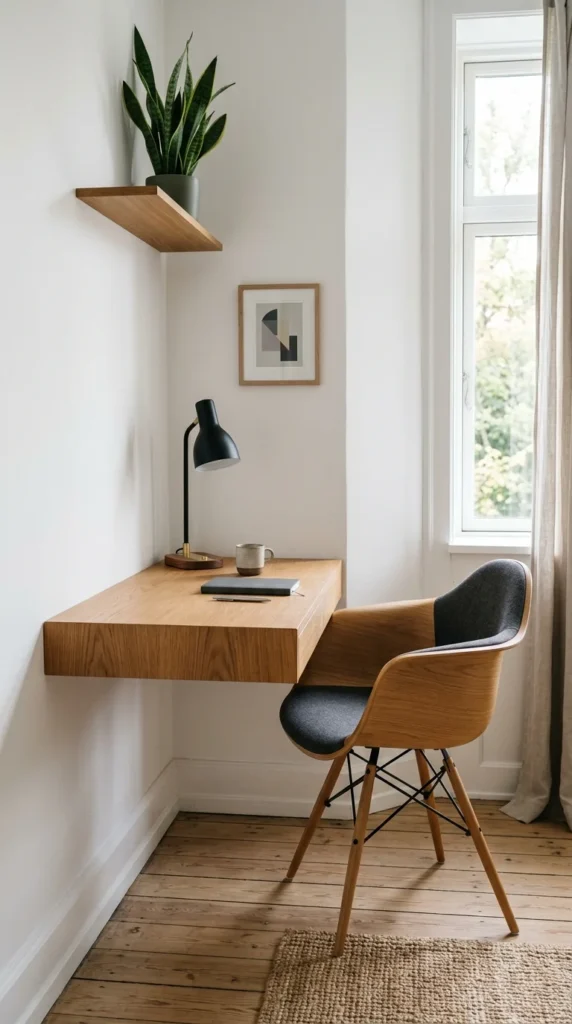
With the rise of remote work, many are looking for ways to integrate an office into the living room without it feeling corporate. A corner desk is a space-saving solution that can look incredibly chic. Opt for a floating desk or a small antique writing table. Keep the styling minimal with a piece of art and a designer chair that matches the rest of your living room furniture.
10. Blanket Ladder
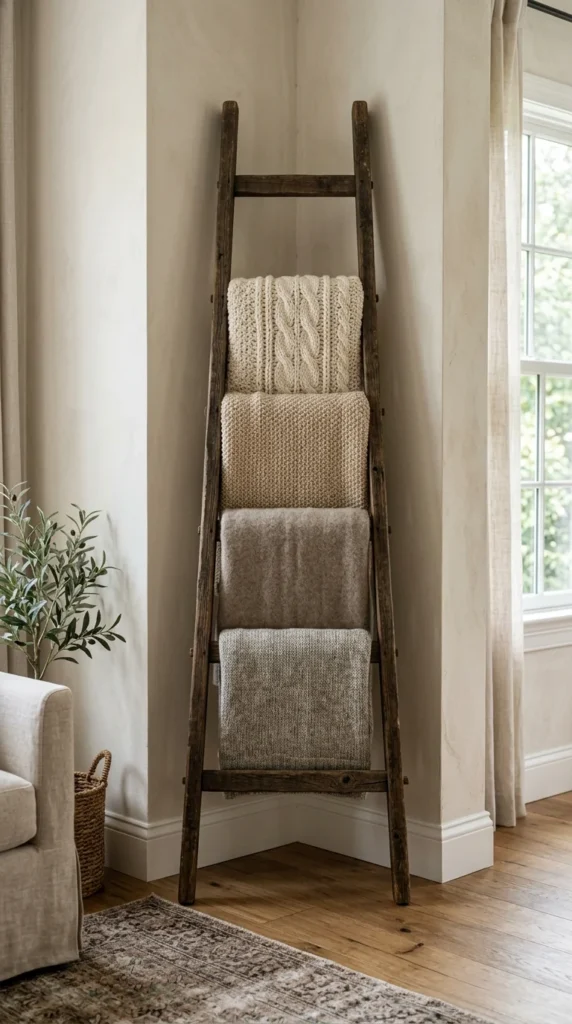
If your living room feels a bit “cold,” a blanket ladder is the perfect remedy. It introduces soft textiles and vertical lines without the bulk of a cabinet. This is a functional way to store extra throws for movie nights while adding a rustic or Scandinavian touch to your corner. It’s an especially effective idea for narrow corners where a chair wouldn’t fit.
11. Sculptural Pedestal
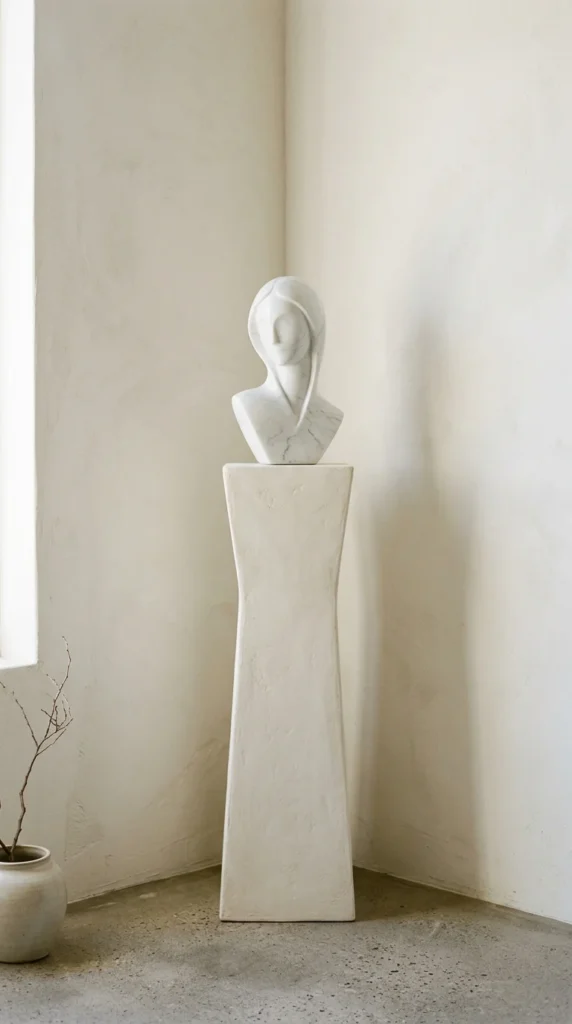
In high-end interior design, corners are often used to showcase art. A pedestal or a plinth allows you to display a sculpture, a large ceramic vase, or a unique found object at eye level. This creates a gallery-like atmosphere and emphasizes the “designer” aspect of the room. It’s a bold, minimalist choice that celebrates negative space.
12. Window Seat
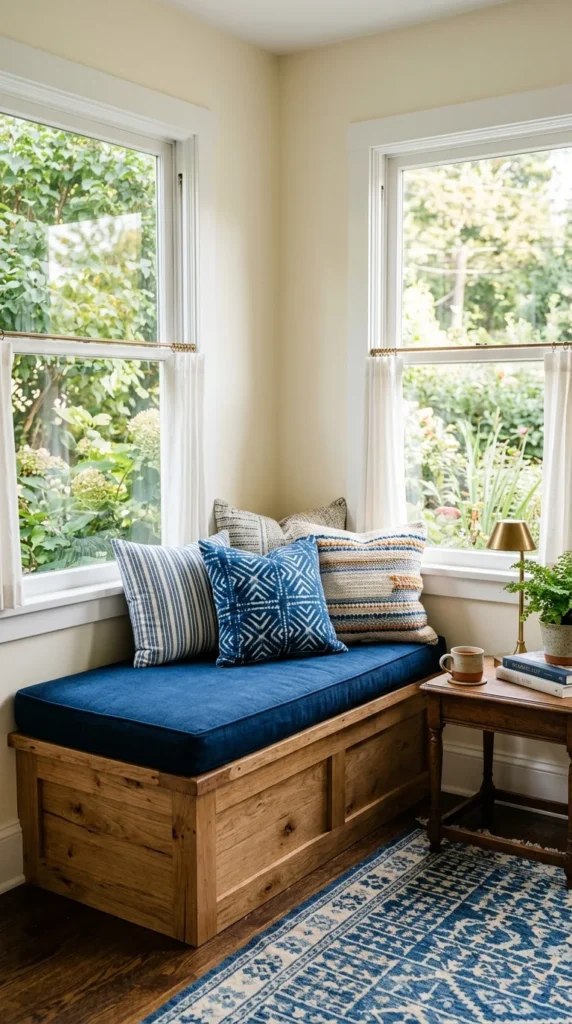
If your corner features a window, a custom window seat is the gold standard of cozy design. It maximizes natural light and provides a built-in look that feels permanent and expensive. Even if you don’t have a built-in, you can achieve a similar effect by placing a low, cushioned bench in the corner with a few pillows and a small side table for books.
13. Musical Instrument
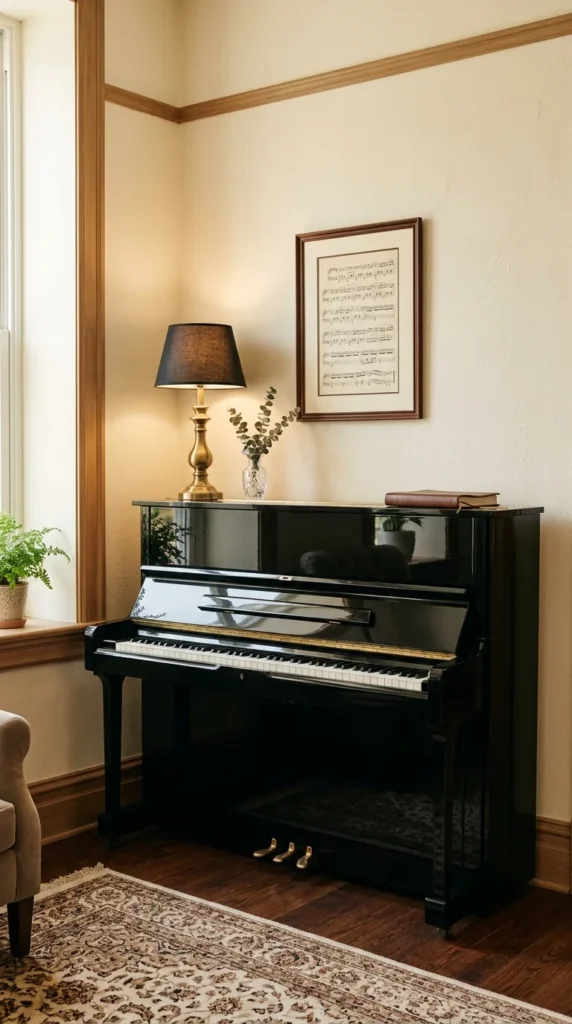
A corner is an ideal spot for a musical instrument, whether it’s a grand piano, a cello on a stand, or a collection of acoustic guitars. Instruments are inherently beautiful and add a layer of personal history and culture to a room. They serve as great conversation starters and turn the corner into a dedicated “music nook.”
14. Book Stack
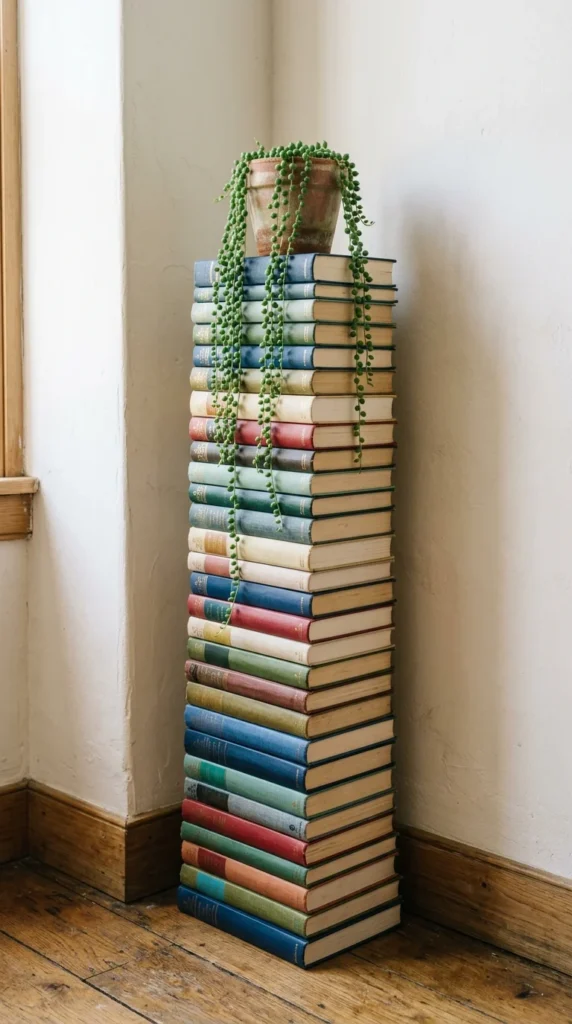
For the bibliophile, a corner can become a library without the need for bulky bookshelves. A vertical “spine-out” book tower or a neat stack of oversized coffee table books on the floor creates a relaxed, intellectual vibe. This is a great way to introduce color and personality in a way that feels organic and unforced.
15. Decorative Screen

Decorative folding screens (or room dividers) are an old-school design element making a major comeback. They are perfect for filling large, awkward corners and adding a massive dose of texture or pattern. A vintage wooden screen, a silk-covered Chinoiserie panel, or a modern rattan divider can act as a backdrop for a chair or stand alone as a piece of art.
16. Pet Sanctuary
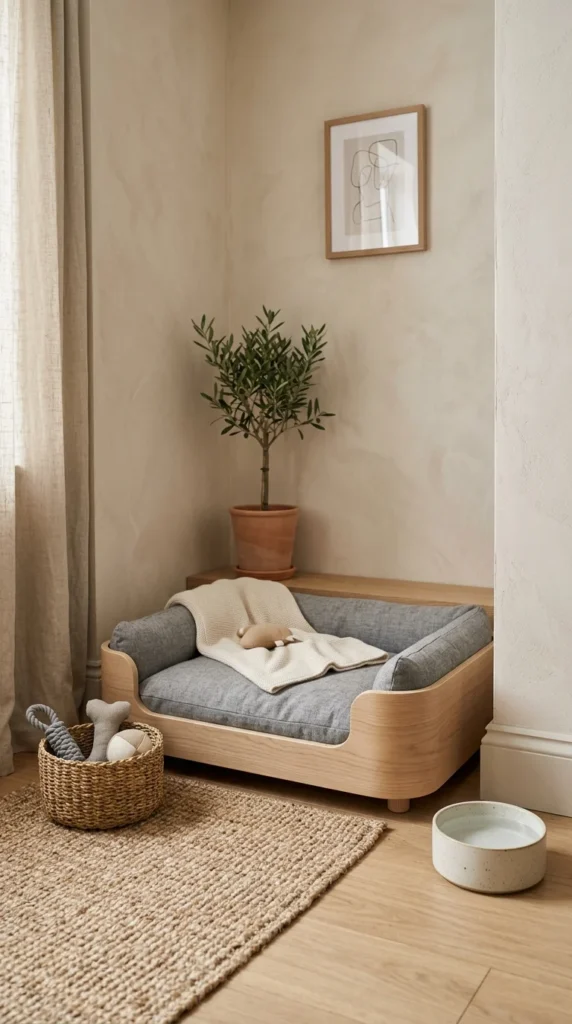
If you have furry family members, the corner is the perfect place to integrate their belongings into your design. Instead of a messy pet corner, choose a “designer” pet bed that matches your furniture and a stylish basket for toys. This keeps the rest of the room tidy while giving your pet a dedicated, secure space that feels like part of the home’s aesthetic.
17. Corner Fireplace
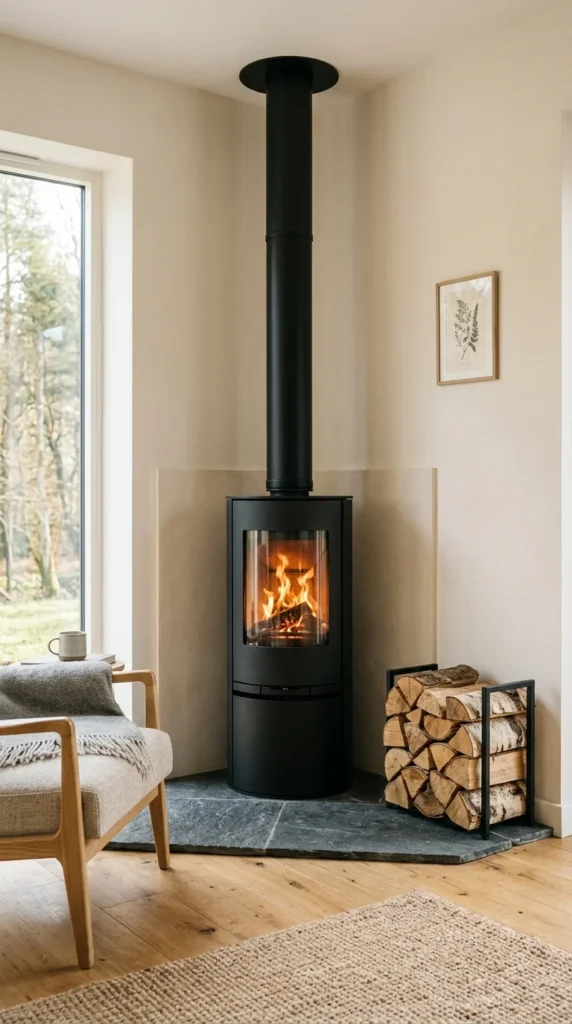
While a built-in fireplace is a major renovation, a freestanding electric fireplace or a vintage-style wood-burning stove can be installed in a corner to create a stunning focal point. It adds literal and metaphorical warmth to the room. Frame the area with a small rug and a comfortable chair to create the ultimate winter retreat.
18. Large Vase
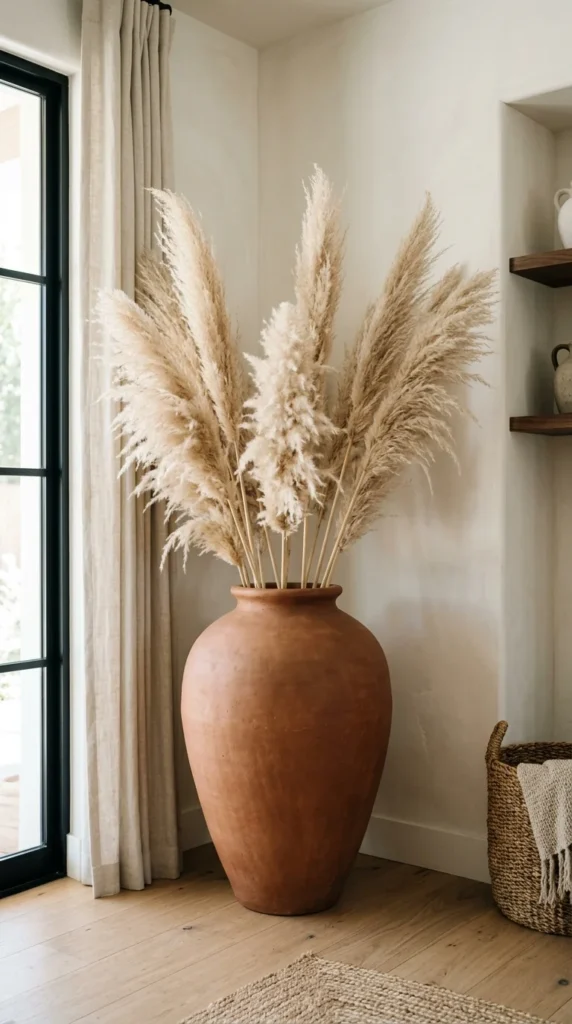
Sometimes, simplicity is the most effective design choice. A single, oversized floor vase—often referred to as an “urn”—can fill a corner beautifully. Whether you leave it empty for a minimalist look or fill it with dried botanicals like pampas grass, eucalyptus, or willow branches, it provides height and organic texture that softens the room’s sharp angles.
19. Corner Cabinet
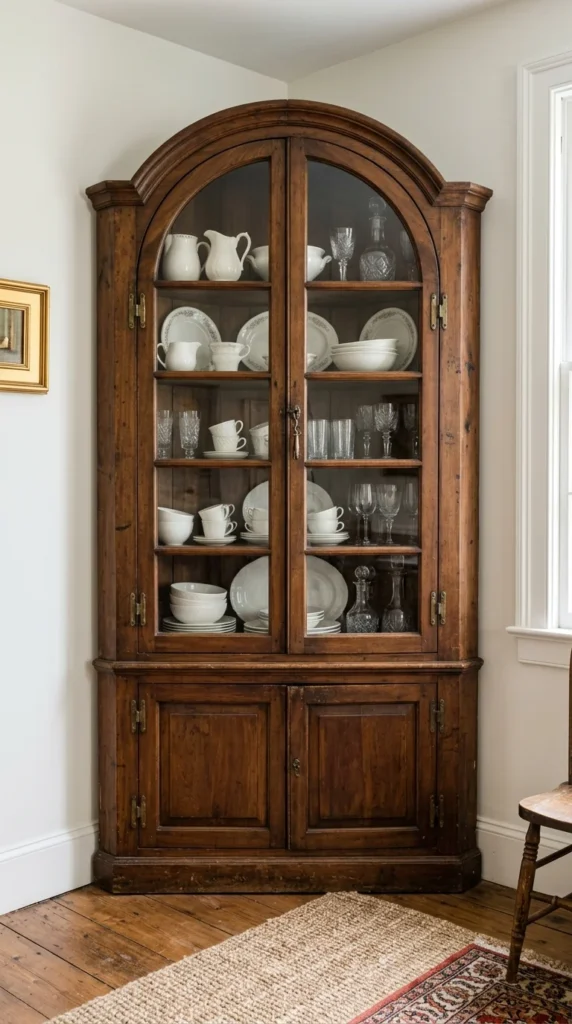
If you need extra storage, a corner cabinet or “curio” is a functional and traditional choice. These pieces are specifically designed to fit 90-degree angles, making them incredibly efficient. To keep it looking modern, choose a cabinet with glass doors and use it to display a curated collection of objects rather than clutter. Lighting the interior of the cabinet can also add a beautiful glow to the corner.
20. Minimalist Daybed
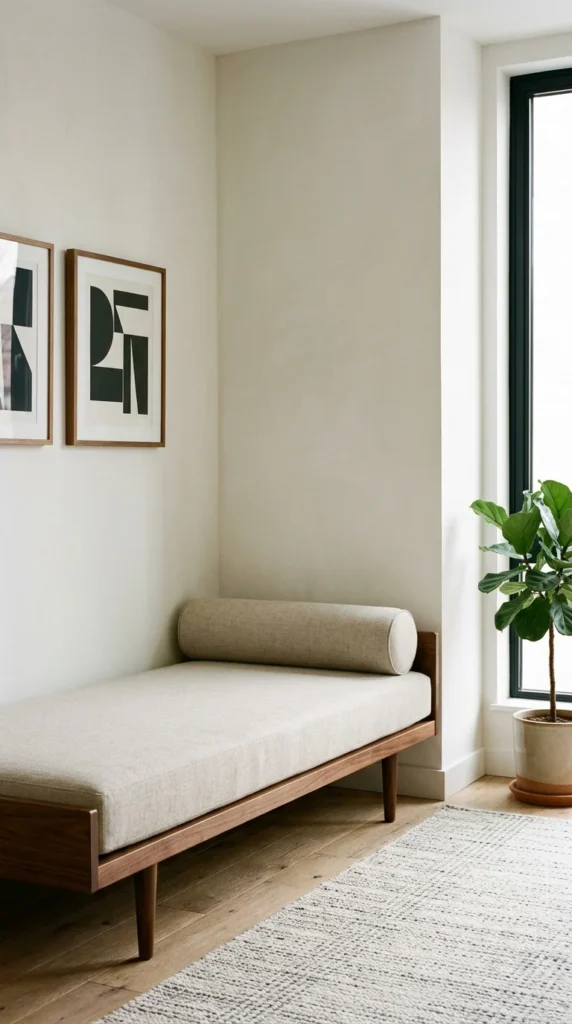
In larger living rooms, a corner can accommodate a daybed or a chaise lounge. This is a more luxurious alternative to a standard accent chair. It creates a dedicated spot for napping or lounging that doesn’t feel as formal as the main sofa area. Choose a design with clean lines and thin legs to ensure the corner doesn’t feel too heavy or cramped.