
The kitchen is often described as the heart of the home, but it is also the functional hub where daily life happens. Finding the balance between a space that is utilitarian and one that is aesthetically pleasing can be a challenge. Kitchen counter styling is the art of “curated clutter”—placing essential items in a way that feels intentional, organized, and beautiful. By following a few design principles, you can transform your workspace into a visual highlight of your home.
1. Decorative Trays
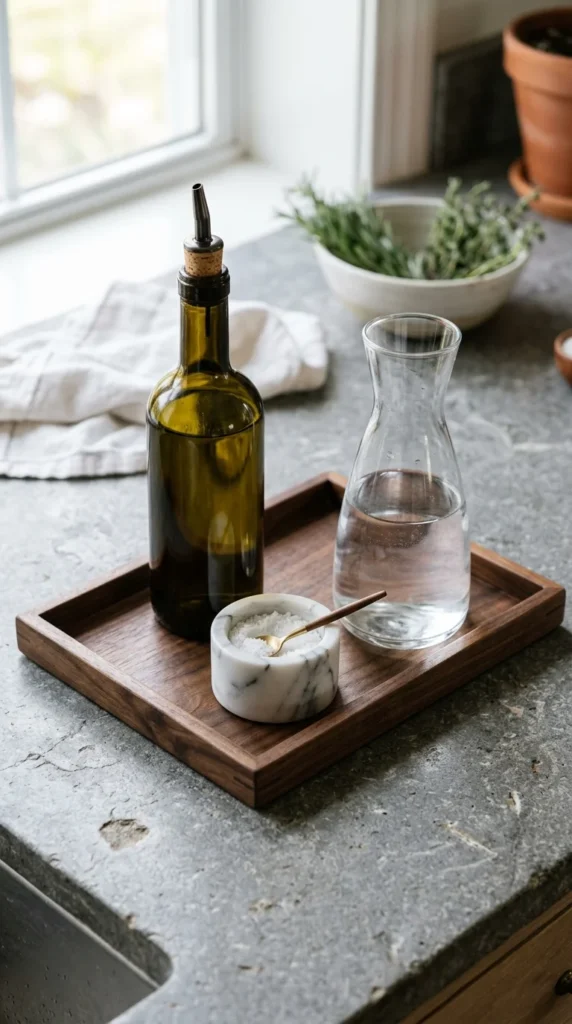
Trays are the ultimate secret weapon for interior designers. They serve to “corral” smaller items that might otherwise look like clutter. When you place your oils, vinegars, or salt cellars on a tray, the eye perceives them as a single, cohesive unit rather than several disparate objects. Choose a material that contrasts with your countertop—such as a warm wooden tray on white marble or a sleek metal tray on a butcher block—to add depth and texture.
2. Leaning Boards
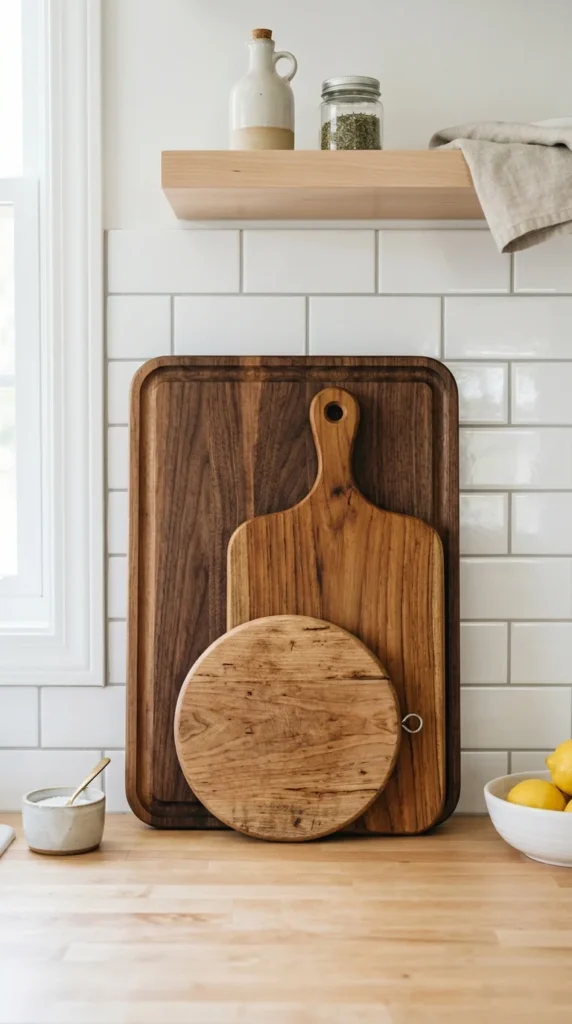
Layering wooden cutting boards against the backsplash is a classic styling technique that adds instant warmth and height. By mixing different shapes—such as a round pizza board with a tall rectangular breadboard—you create visual interest through varied silhouettes. This approach also keeps your most-used tools within arm’s reach while softening the hard surfaces of the kitchen.
3. Fresh Herbs
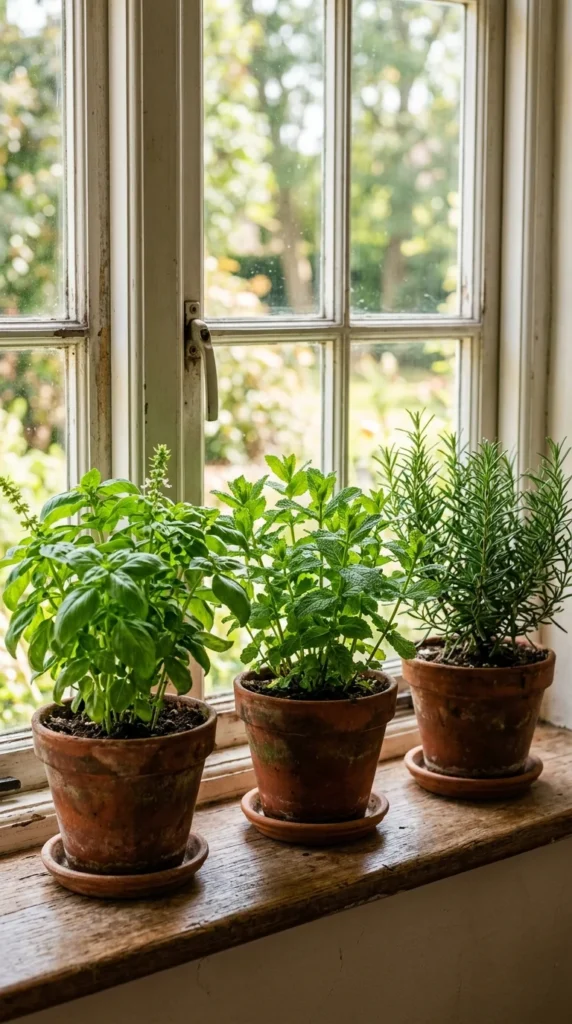
Greenery is essential for bringing life into a kitchen. While flowers are lovely, fresh herbs provide both beauty and utility. Grouping small pots of basil, parsley, or mint near your prep area adds a vibrant pop of color and a fresh aroma. Use matching ceramic or terracotta pots to maintain a clean, uniform look.
4. Uniform Canisters
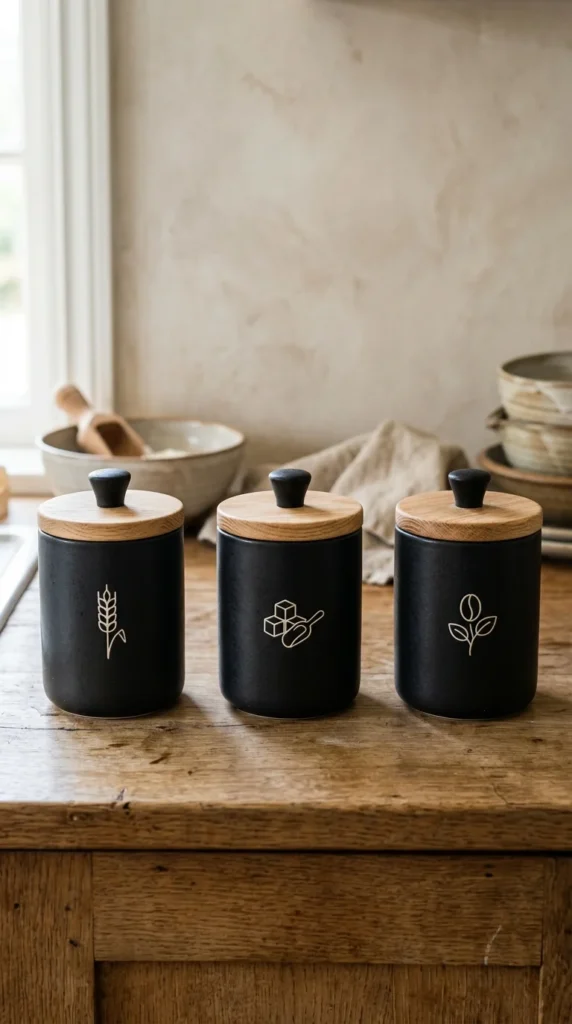
Mismatched packaging from the grocery store is one of the quickest ways to make a kitchen look messy. Transferring dry goods like flour, pasta, and coffee into uniform canisters creates a streamlined, high-end appearance. Glass jars allow the natural colors of the food to act as decor, while opaque ceramic jars offer a more minimalist, “hidden” look.
5. Fruit Bowls
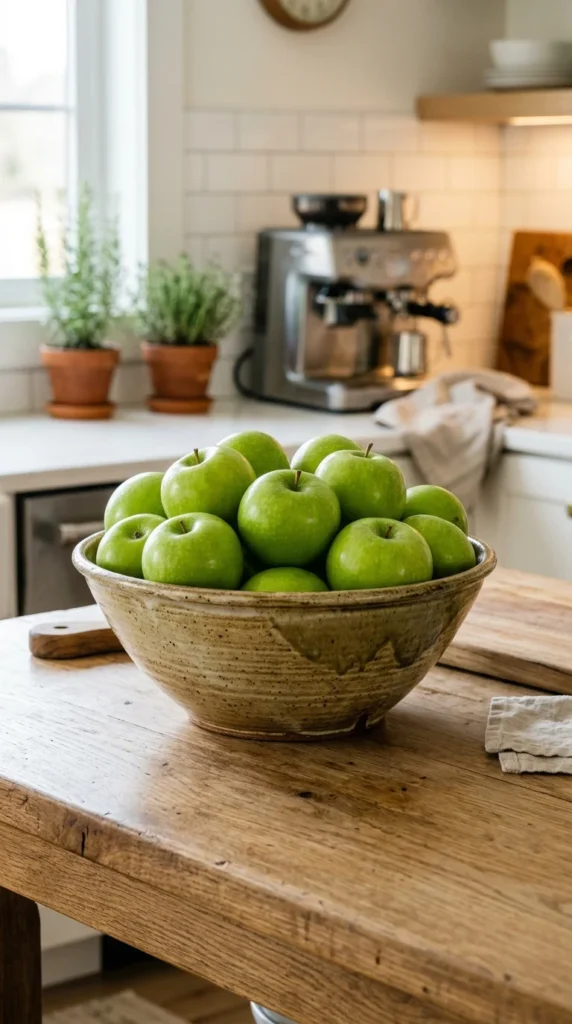
A large bowl of fruit is perhaps the easiest way to add seasonal color to your kitchen. A mountain of bright yellow lemons or deep red apples provides a natural focal point. To keep it looking professional, stick to one type of fruit per bowl; this “monochromatic” approach to food styling feels more intentional and modern than a mixed fruit basket.
6. Curated Appliances
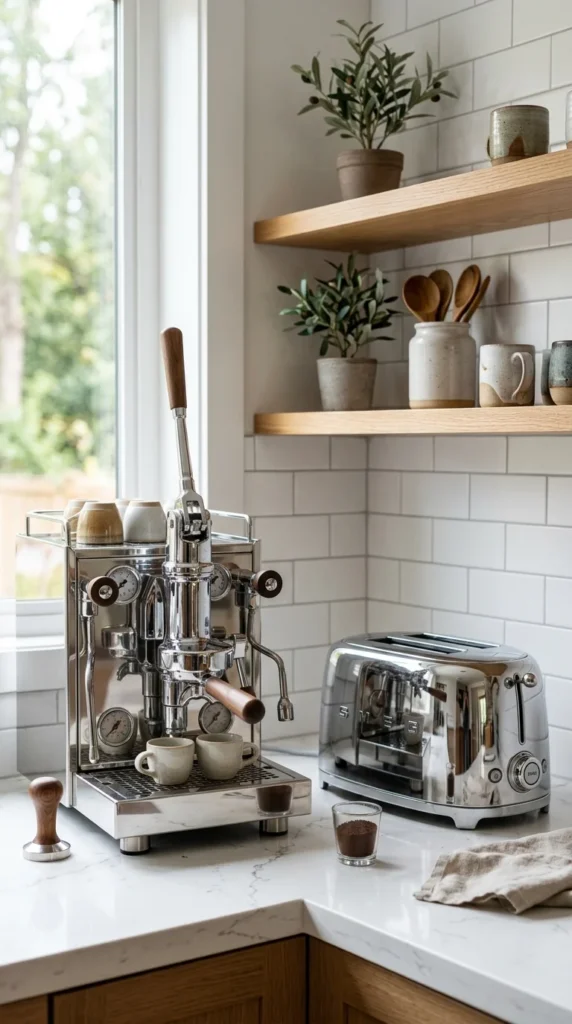
While the goal of a clean kitchen is often to hide appliances, some designs are too beautiful to tuck away. If you have high-quality, aesthetically pleasing appliances like a vintage-style toaster or a professional espresso machine, make them a part of the decor. The key is to keep only the daily essentials out and ensure they share a similar color palette or finish.
7. Cookbook Stacks
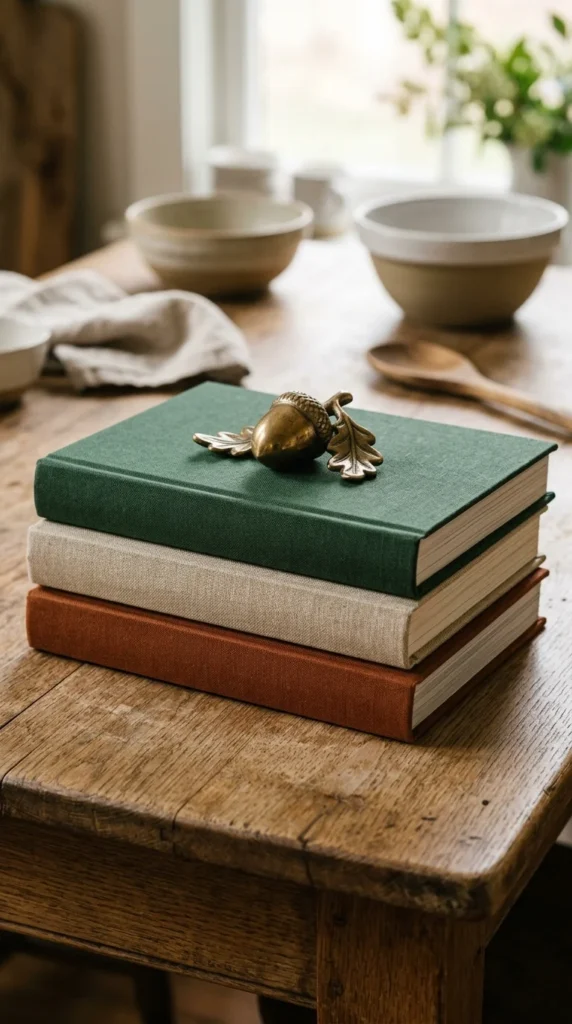
Cookbooks add a personal, lived-in feel to a kitchen. Instead of just lining them up on a shelf, try stacking a few of your favorites horizontally on the counter. This creates a platform that you can use to elevate a small bowl or a candle, adding different levels of height to your styling.
8. Luxury Soap Sets
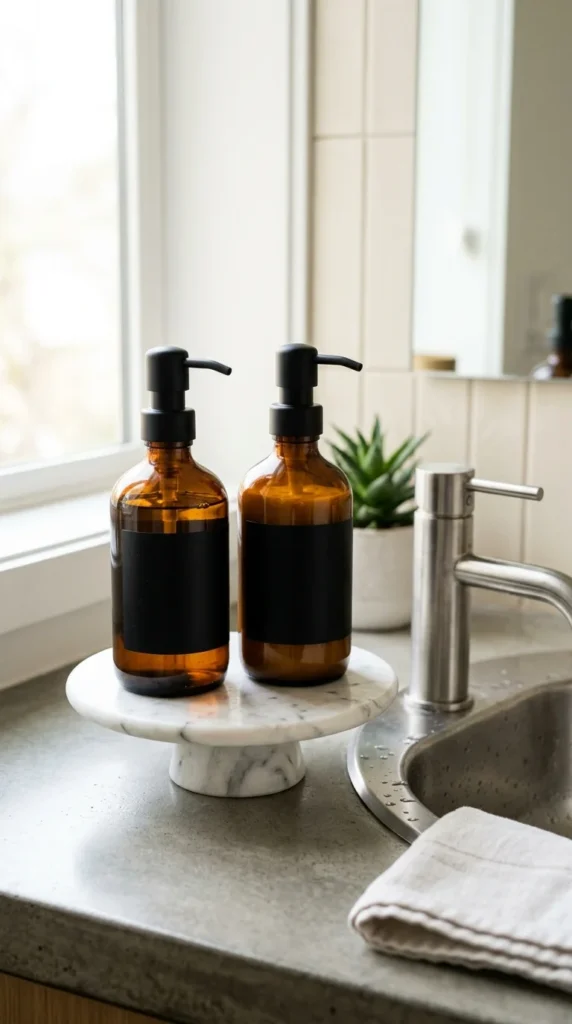
The area around the kitchen sink is often neglected. Elevate this functional spot by using matching glass dispensers for hand soap and dish soap. Placing them on a small stone pedestal or a wooden riser keeps them off the countertop, preventing water rings and making the area feel like a curated “station” rather than a utility zone.
9. Statement Vases
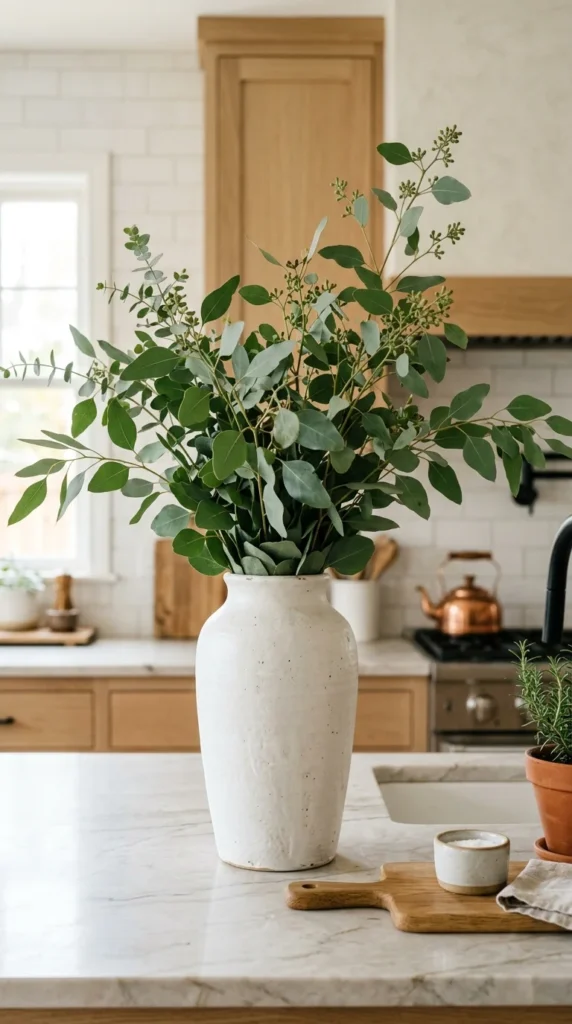
Height is a crucial element in counter styling. Most kitchen items are short, so adding a tall vase with fresh branches or long-stemmed flowers draws the eye upward. In a kitchen, oversized greenery—like olive branches or eucalyptus—often looks more sophisticated and lasts longer than traditional floral bouquets.
10. Scented Candles
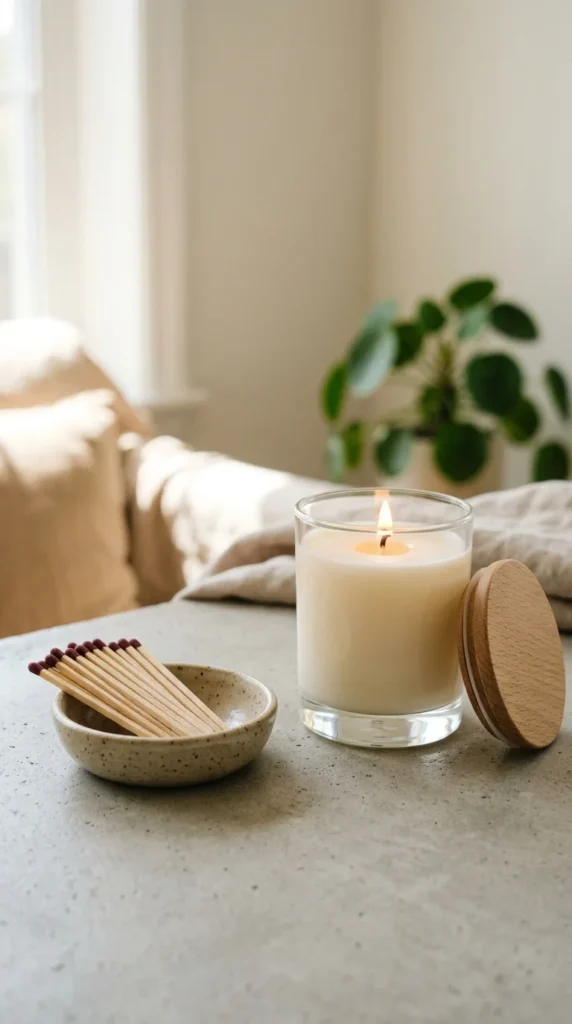
The kitchen is a sensory environment. A high-quality candle in a simple, elegant jar adds a layer of ambiance that makes the space feel cozy. Choose scents that complement the kitchen, such as citrus, herbs, or warm vanilla, and place the candle near a seating area or the sink for maximum impact.
11. Artisan Mills
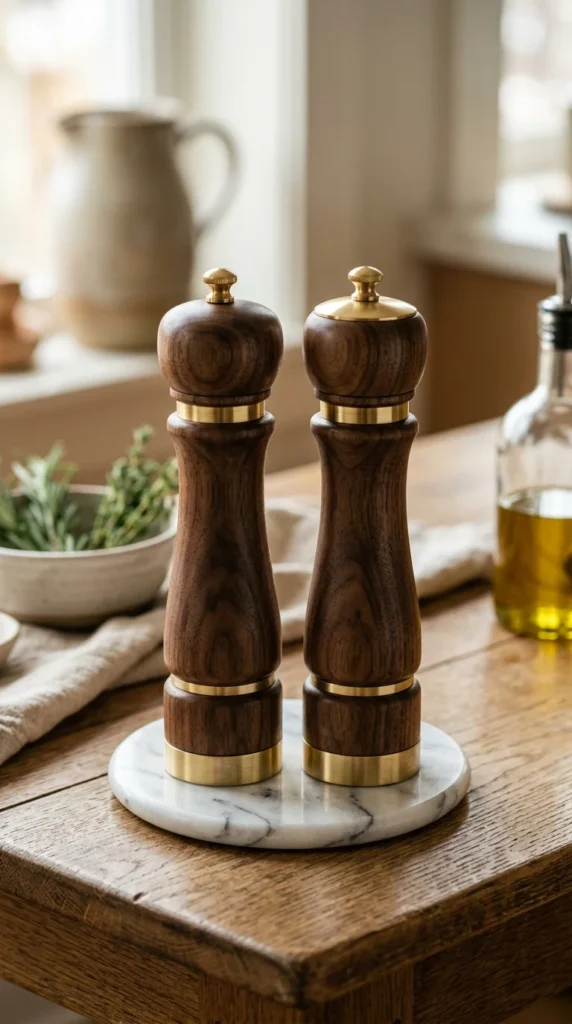
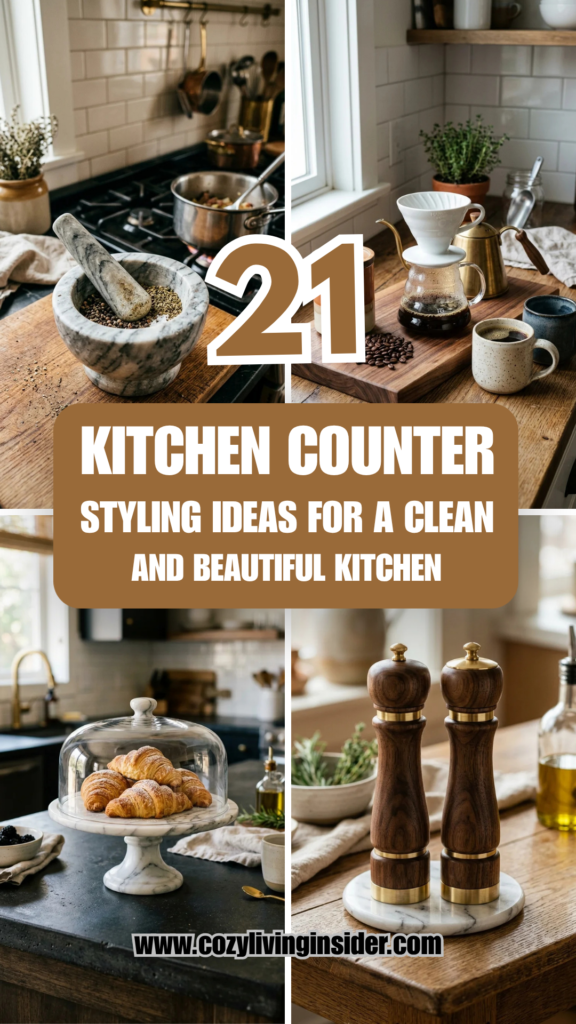
Salt and pepper mills are tools you use every single day. Investing in a pair made from beautiful materials like walnut, oak, or brushed metal allows them to double as decor. Placing them on a small coaster or a tiny tray near the stovetop keeps them organized and protects your counters from debris.
12. Utensil Crocks
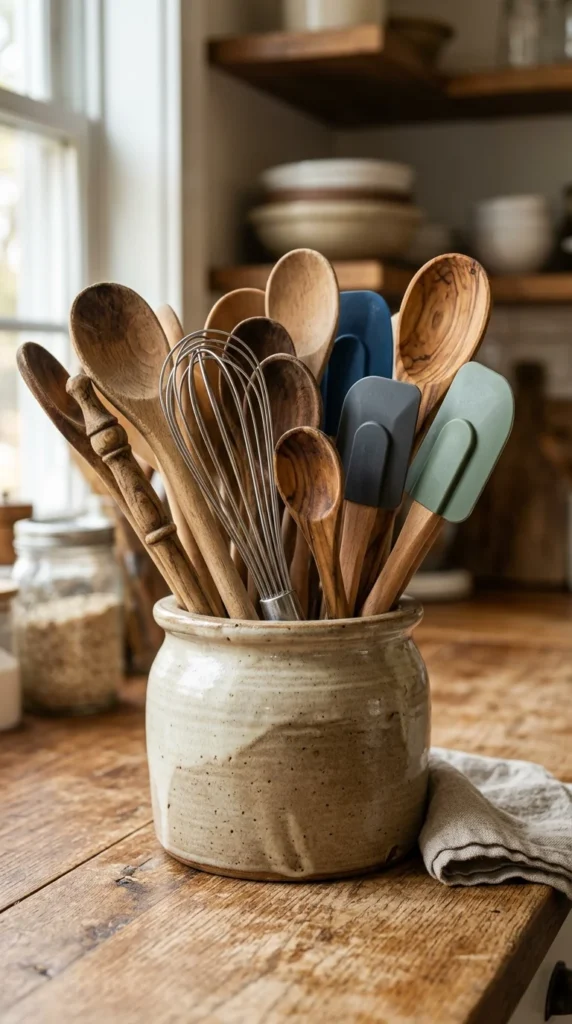
For the home cook, having utensils within reach is a necessity. A heavy ceramic or stone crock is the perfect way to display these tools. To keep it looking clean, stick to a specific color palette for your utensils—such as all wood or a mix of wood and stainless steel—and avoid overstuffing the container.
13. Elevated Cake Stands
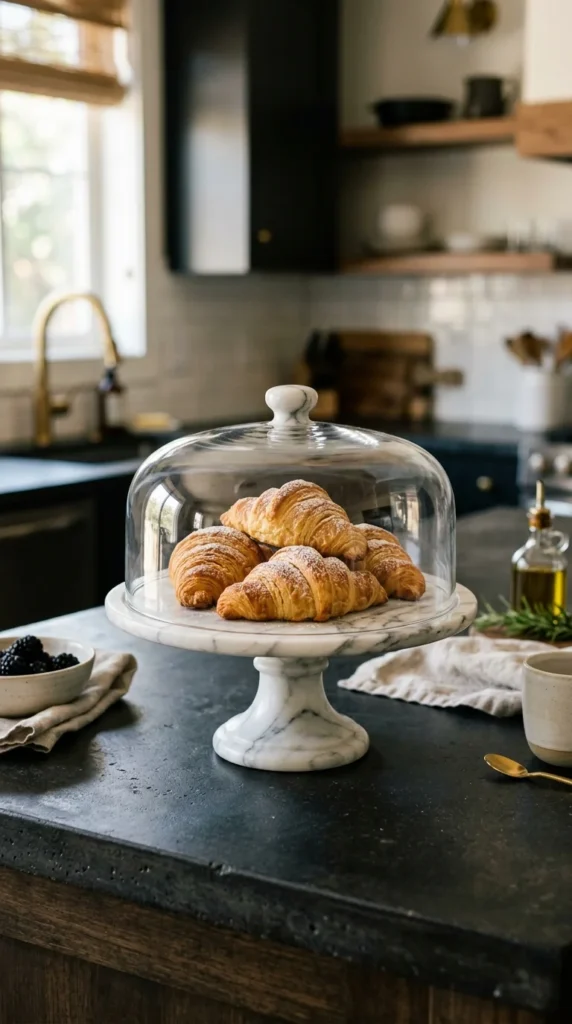
Cake stands aren’t just for parties. Using a pedestal to display everyday items like fruit, pastries, or even a collection of oils adds varied heights to your countertop. The glass dome adds a layer of sparkle and helps keep items fresh while making a simple breakfast item look like a professional display.
14. Tiered Stands
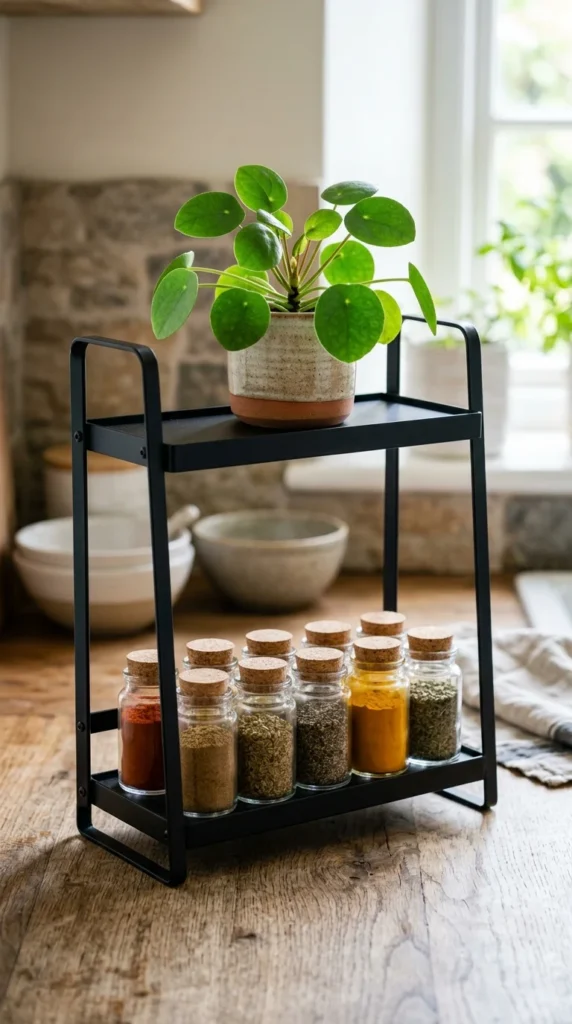
If you have limited counter space, go vertical. A tiered stand allows you to store twice as many items in the same footprint. This is especially useful for creating a coffee station or a spice zone. The vertical lines of the stand create a structured, organized look that prevents the “scattered” feeling of many small items.
15. Framed Artwork
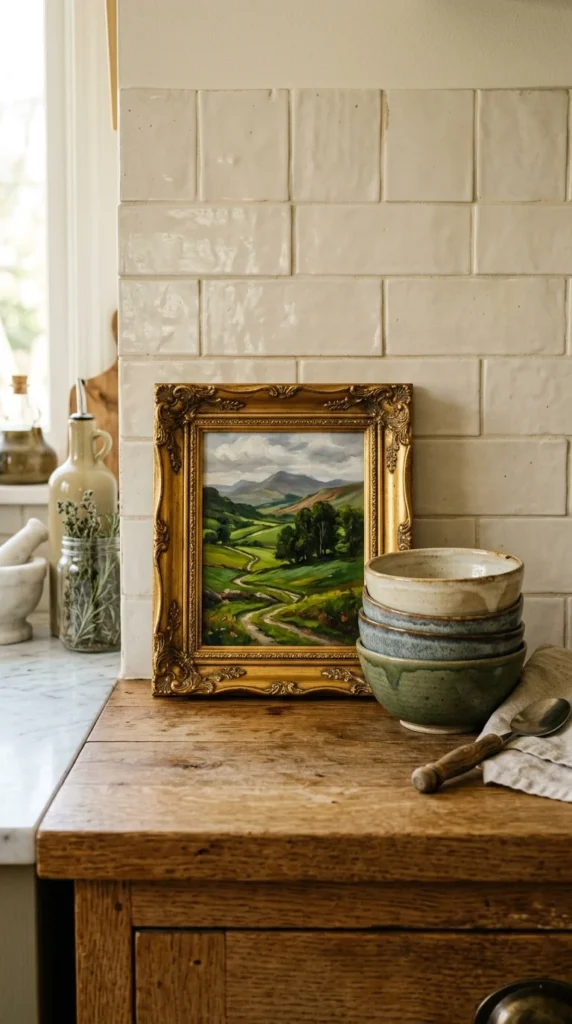
One of the best ways to make a kitchen feel like an extension of your living space is to add artwork. A small framed print or an original oil painting leaning against the backsplash adds unexpected character and color. Opt for frames that are easy to wipe down, and choose subjects like landscapes or abstracts to keep the mood sophisticated.
16. Sconce Lighting
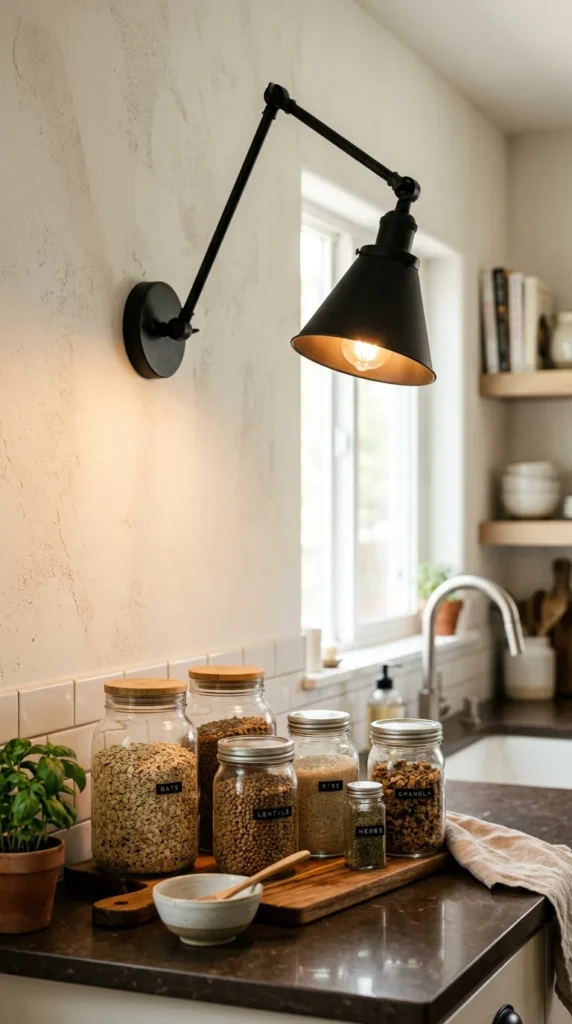
Lighting is a fundamental part of styling. While overhead lights are practical, a wall-mounted sconce or a small, cordless lamp on the counter provides a warm, localized glow. This “mood lighting” makes the kitchen feel more inviting in the evenings and highlights your carefully styled vignettes.
17. Coffee Station
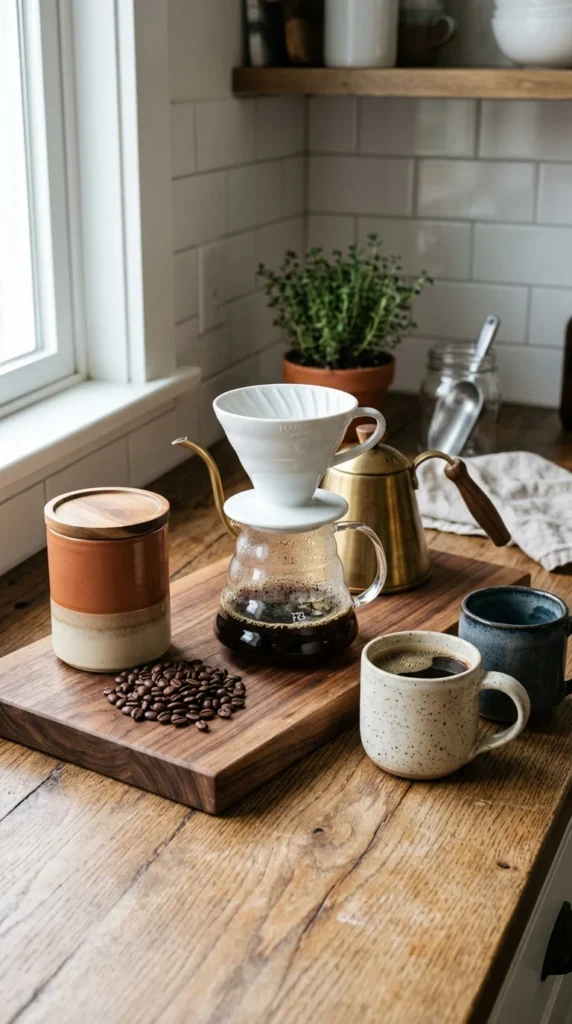
Designating a specific area for your morning ritual creates a sense of order. By grouping your coffee maker, mugs, and beans in one spot, you create a functional zone that feels like a boutique cafe. Using a consistent color palette for your mugs and accessories ensures the station looks intentional rather than cluttered.
18. Marble Accents
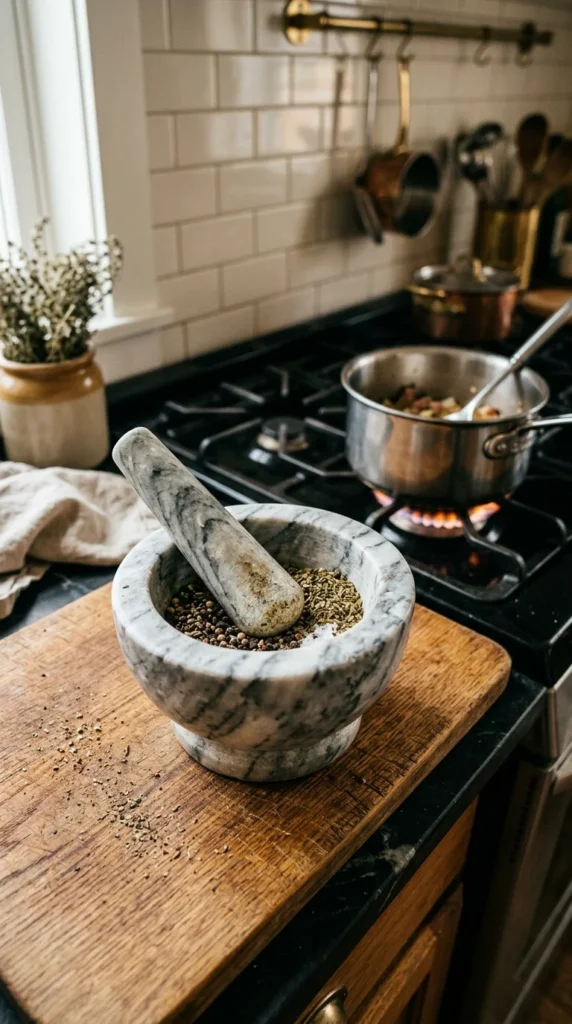
Marble is a timeless material that adds instant luxury. Even if you don’t have marble countertops, you can introduce the material through accessories. A marble mortar and pestle, a marble pastry board, or marble coasters add a cool, polished texture that contrasts beautifully with warm wood or matte cabinetry.
19. Woven Baskets
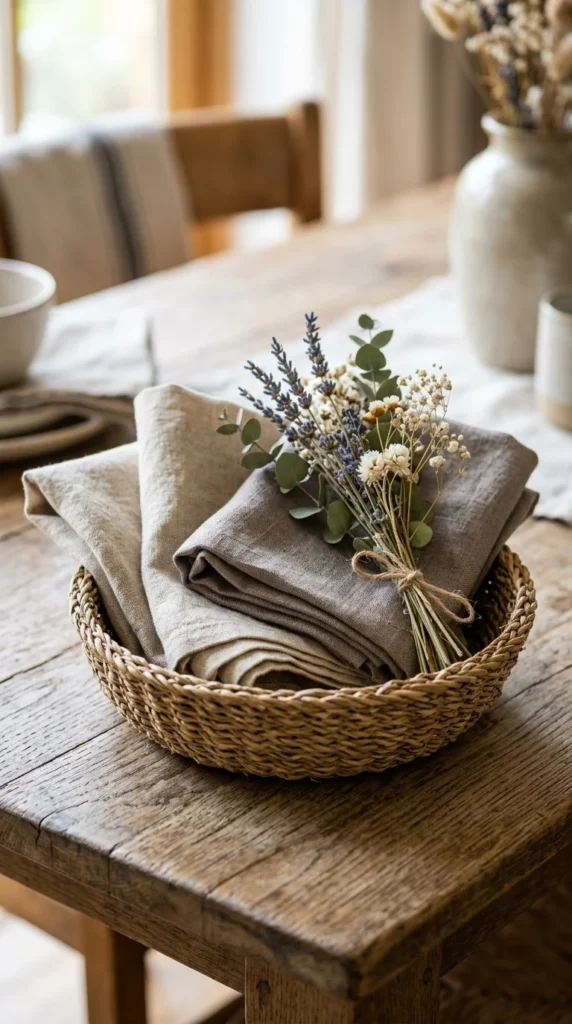
To soften the hard, often cold surfaces of a kitchen (stone, tile, metal), introduce natural woven textures. Small baskets can be used to hold napkins, mail, or even snacks. The organic weave of seagrass or rattan adds a “coastal” or “farmhouse” warmth that balances a modern kitchen’s clean lines.
20. Seasonal Decor
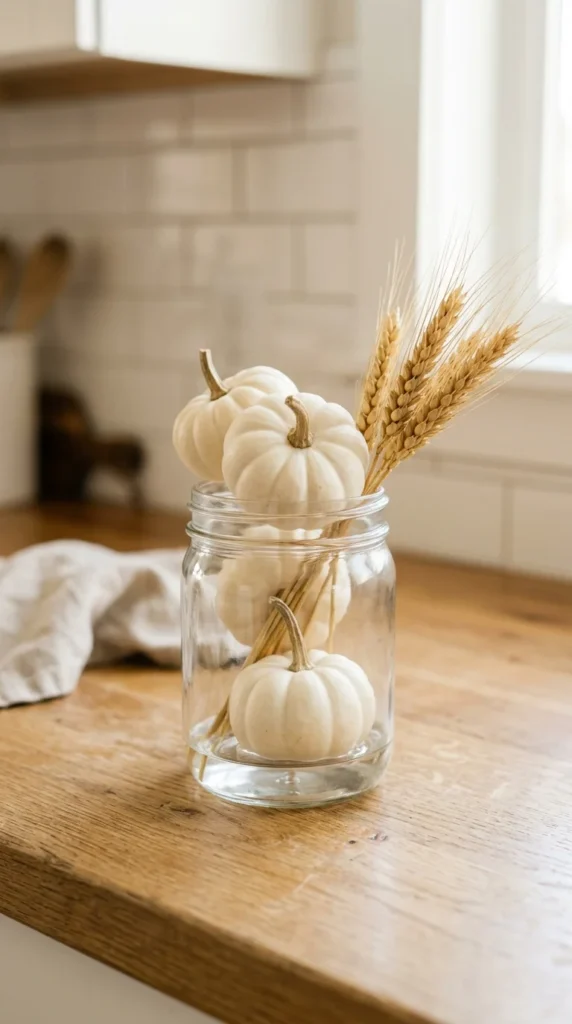
Kitchen styling should evolve with the seasons. In the autumn, a few white pumpkins can be added to your trays; in the spring, a vase of flowering branches. The key is to keep it subtle—one or two seasonal elements are enough to refresh the space without overwhelming the “clean” aesthetic you have worked to achieve.
21. Negative Space
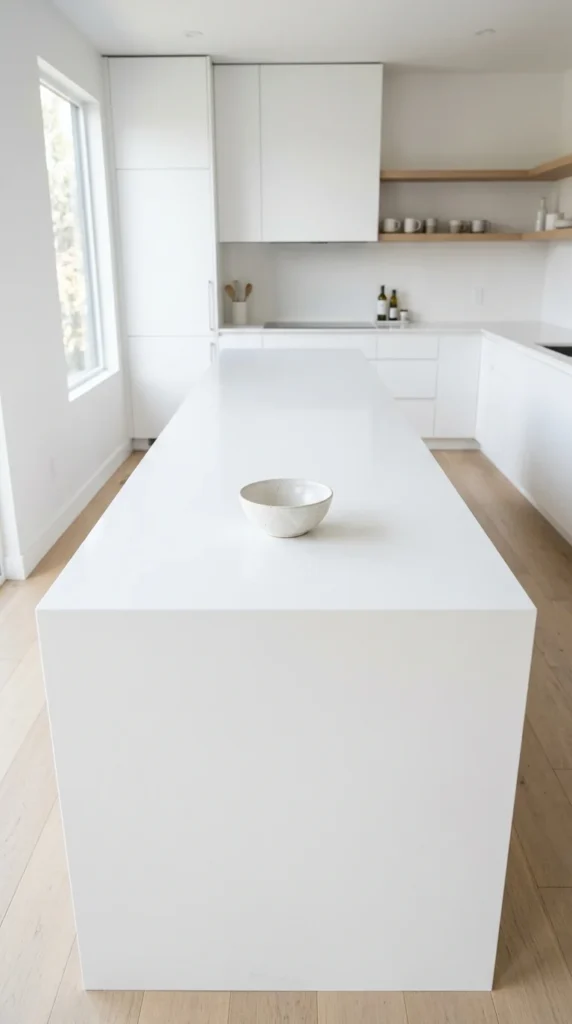
Perhaps the most important styling tip is knowing when to stop. Negative space—the empty areas on your counter—is what allows the styled areas to breathe. A completely cluttered counter, no matter how beautiful the items, will always feel messy. Aim for a “rhythm” of styling: a decorated corner, a stretch of empty space, and then a focal point like a fruit bowl. This balance is the hallmark of a truly professional-looking kitchen.