
Achieving a high-end, “estate-style” look for your front yard does not necessarily require a full-time gardening staff or a massive water bill. The secret to an expensive-looking landscape lies in structural design, intentional color palettes, and the use of materials that age gracefully with minimal intervention. By shifting the focus from high-maintenance annuals to permanent hardscapes and hardy perennials, homeowners can create a sophisticated first impression that lasts all year round.
The following seven strategies focus on “lazy luxury”—design choices that look meticulously curated but require only a fraction of the upkeep typically associated with luxury landscaping.
1. Hardscaping
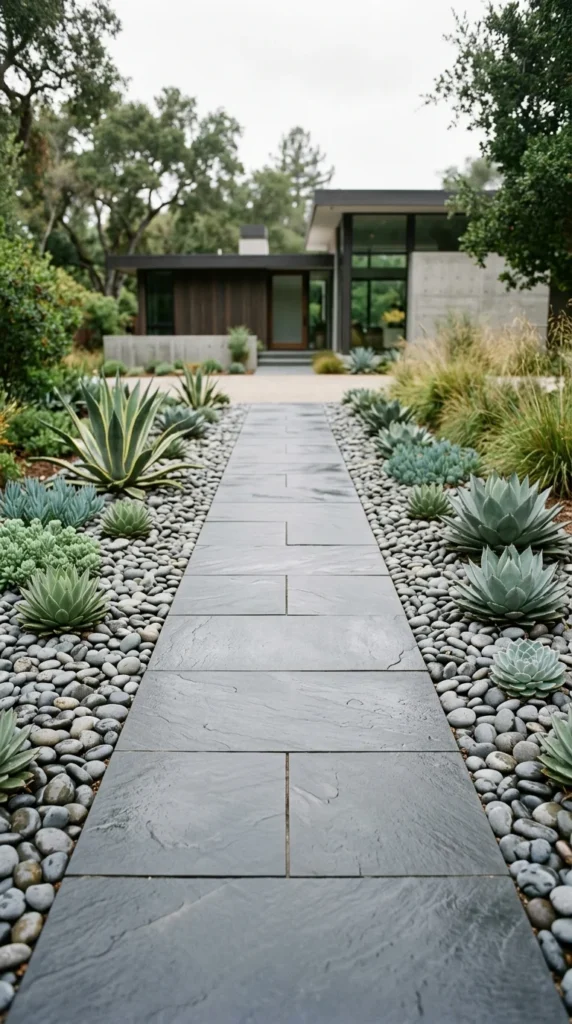
Hardscaping is the backbone of any low-maintenance, high-value front yard. By replacing large sections of thirsty, high-mow grass with stone, gravel, or pavers, you instantly elevate the architectural feel of the property. Stone creates a permanent structure that doesn’t wilt, die, or need fertilizer.
To achieve an expensive look, opt for oversized pavers (such as bluestone or limestone) and set them in a “floating” style with narrow gaps filled with decorative gravel or Mexican beach pebbles. This clean, geometric approach mimics the aesthetics of modern luxury resorts.
- Materials to consider: Slate, travertine, decomposed granite, and river rocks.
- Maintenance Level: Very low; occasional sweeping or power washing.
- Pro Tip: Use a heavy-duty weed barrier beneath your stones to ensure zero unwanted growth between the pavers.
2. Native Perennials
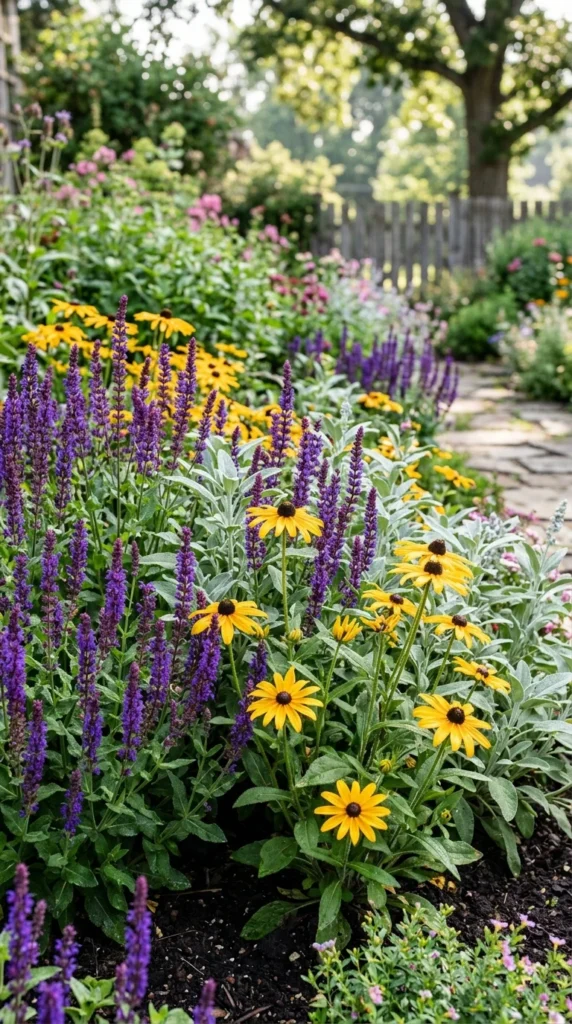
Nothing looks more expensive than a garden that appears to thrive effortlessly. Native plants are the key to this “wild luxury” aesthetic. Because these plants are indigenous to your specific climate, they have spent thousands of years adapting to the local soil and weather patterns. This means they require significantly less water, fewer pesticides, and very little soil amendment compared to exotic species.
When choosing native plants, group them in “drifts” (large clusters of the same species) rather than scattering individual plants. This creates a bold, intentional color block that looks professionally designed rather than haphazard.
- Key Varieties: Coneflowers, Salvia, Agastache, and local varieties of Sage.
- Maintenance Level: Low; seasonal pruning once a year.
- Benefit: Attracts pollinators like butterflies and hummingbirds, adding life and movement to your yard.
3. Ornamental Grasses
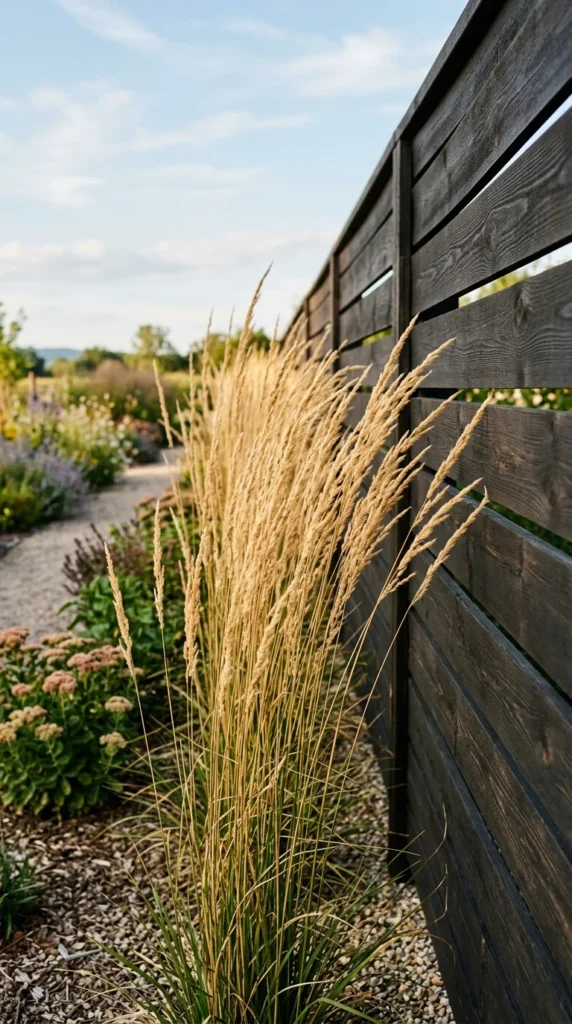
Ornamental grasses are the “secret weapon” of professional landscapers. They provide height, movement, and texture—three elements often missing from DIY yards. Grasses like Blue Fescue, Feather Reed Grass, or Fountain Grass look incredibly sophisticated when planted in rows or as backdrops for smaller shrubs.
The beauty of these plants is their resilience. They are generally drought-tolerant and pest-resistant. Most importantly, they provide “four-season interest.” In the summer, they are vibrant and green; in the autumn, they turn golden; and in the winter, their dried plumes add structural beauty to a snowy landscape.
- Top Picks: ‘Karl Foerster’ Feather Reed Grass, Pink Muhly Grass, and Maiden Grass.
- Maintenance Level: Very low; cut back once in early spring.
- Visual Impact: Adds a “softening” effect to the hard lines of a house or driveway.
4. Metal Edging
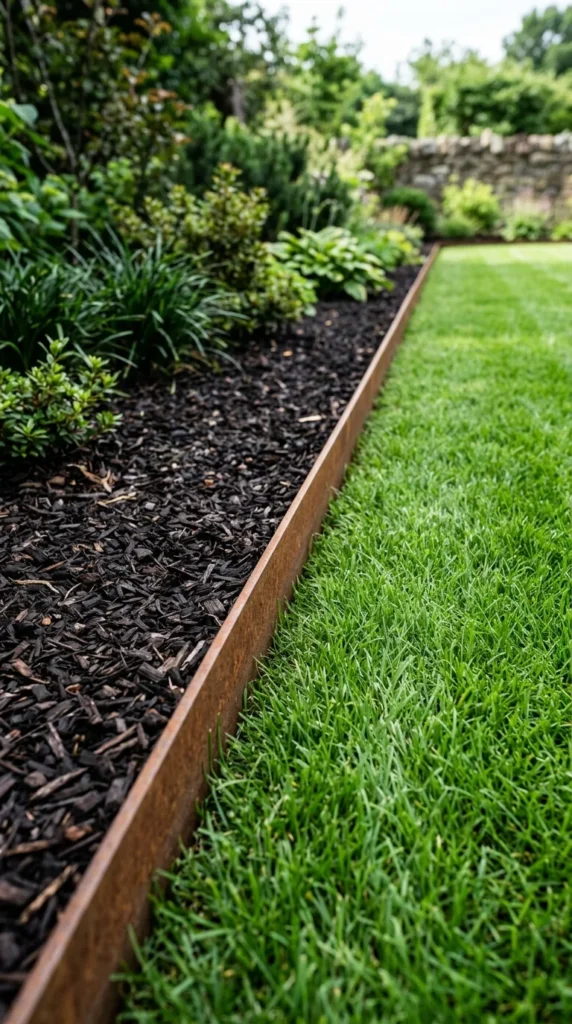
The difference between a “nice” yard and a “luxury” yard is often the crispness of the lines. Overgrown grass bleeding into garden beds makes a yard look messy. Traditional plastic edging often warps and looks cheap. For an expensive, contemporary finish, switch to steel or aluminum edging.
Corten steel (which develops a beautiful, protective rust patina over time) or powder-coated black aluminum provides a razor-sharp border that defines your spaces. This “framed” look makes even the simplest garden bed look like it was designed by a high-end architect.
- Why it works: It prevents grass roots from invading your beds, reducing weeding time.
- Maintenance Level: Zero; metal edging is permanent and durable.
- Style Tip: Use curved lines for a traditional look or straight, 90-degree angles for a modern aesthetic.
5. Evergreen Shrubs
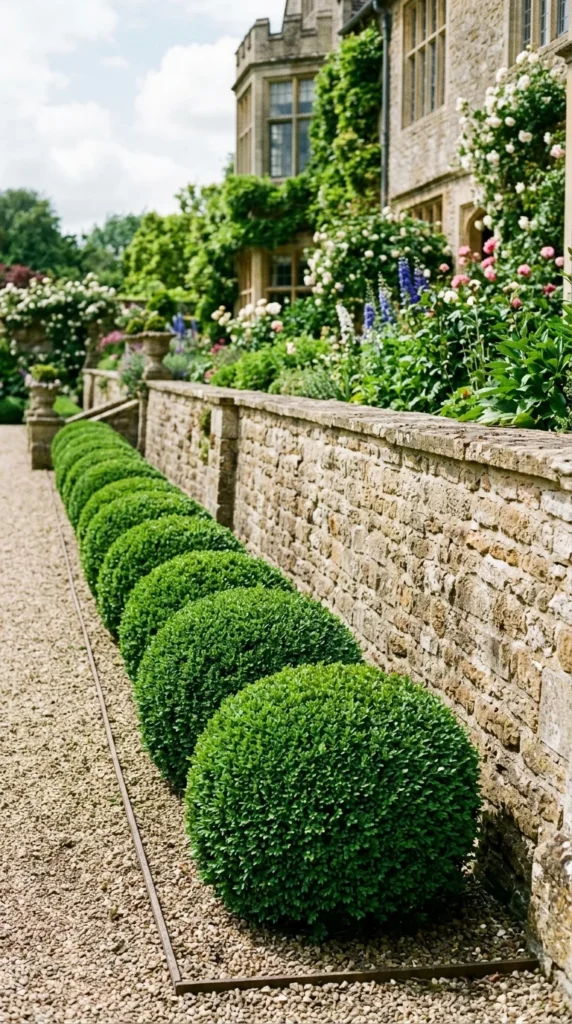
Flowers are beautiful, but they are fleeting. For a front yard that looks expensive 365 days a year, you must prioritize evergreens. Boxwoods, Yews, and Dwarf Conifers provide the “bones” of the garden. They offer a constant deep green hue that serves as a perfect backdrop for other plants.
To keep maintenance low, choose “dwarf” varieties that are genetically programmed to stay small. This eliminates the need for frequent hedging and pruning. A few well-placed evergreen globes or a low hedge along the foundation can make a modest home look like a grand manor.
- Recommended Species: Winter Gem Boxwood, Japanese Yew, and Blue Star Juniper.
- Maintenance Level: Low; occasional trim to maintain shape.
- Luxury Factor: Provides a sense of permanence and “established” history to the property.
6. Premium Mulch
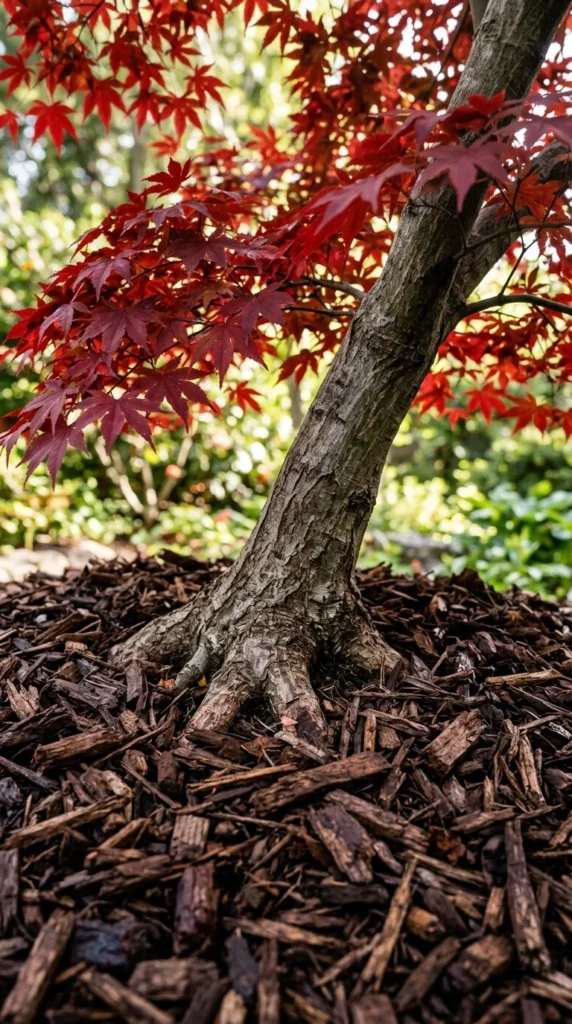
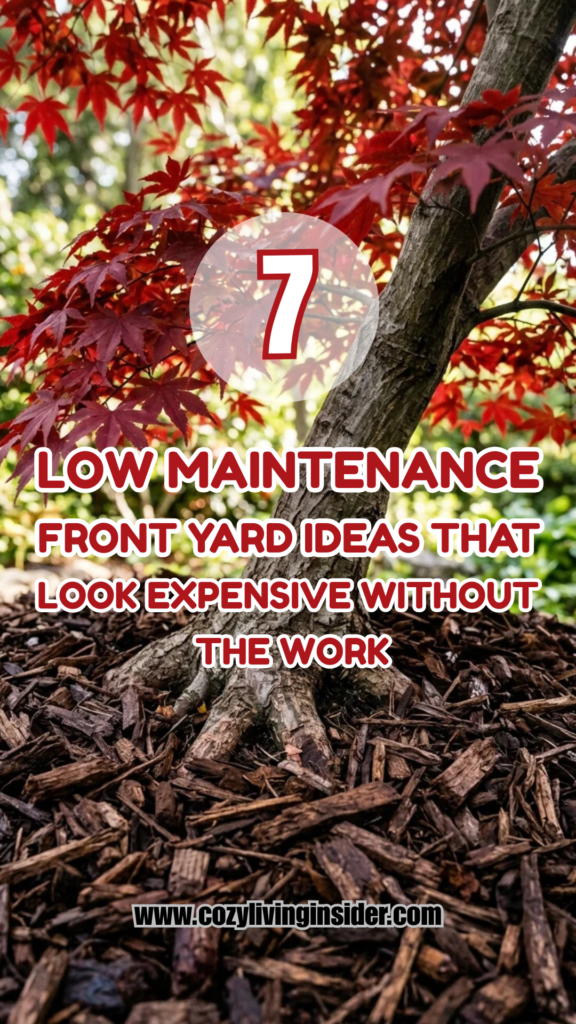
One of the fastest and most affordable ways to make a yard look “expensive” is to apply a fresh layer of premium mulch. Mulch serves two purposes: it suppresses weeds and retains moisture (reducing your work), and it provides a uniform color palette that makes your plants “pop.”
Avoid “natural” wood chips that turn grey quickly. Instead, opt for a dark brown or black dyed hardwood mulch. The dark contrast against green foliage and colorful flowers creates a high-contrast, professional look that suggests the yard is meticulously cared for.
- Application: Apply a 3-inch layer once a year.
- Maintenance Level: Medium; requires an annual refresh.
- Bonus: As mulch breaks down, it improves the soil quality for your plants.
7. Accent Lighting
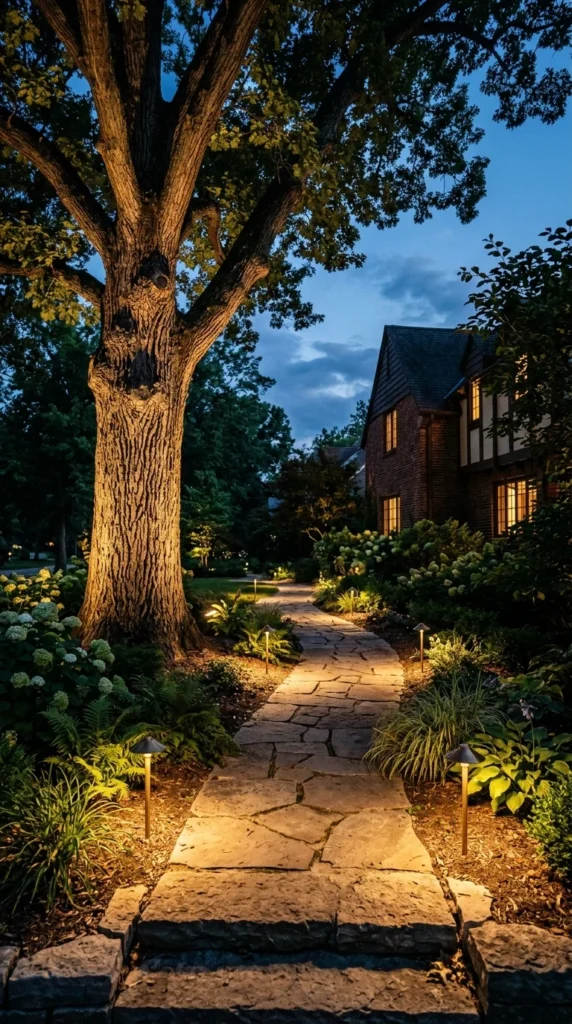
The most expensive-looking homes always look stunning at night. Low-voltage LED landscape lighting is a high-impact, low-effort upgrade. Instead of bright, flooding porch lights, use “uplighting” to highlight the texture of a tree’s bark or the architectural lines of your home.
Modern LED systems are incredibly energy-efficient and can be set on automated timers or smart-home apps. By illuminating paths and key focal points, you create a sense of safety, depth, and high-end sophistication that lasts long after the sun goes down.
- Where to place lights: At the base of specimen trees, along walkways, and tucked into garden beds to wash light against the house walls.
- Maintenance Level: Low; LEDs last for years without needing replacement.
- Atmosphere: Creates a “resort” feel every time you pull into your driveway at night.