
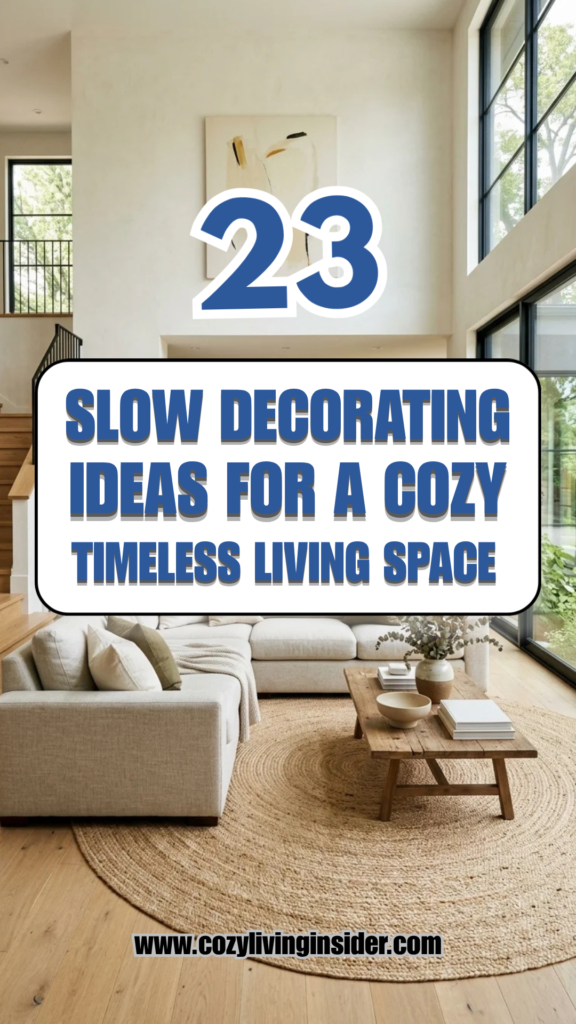

In an era of overnight room makeovers and “fast furniture,” the concept of slow decorating offers a refreshing and sustainable alternative. Slow decorating is the art of intentionality; it is the process of allowing a home to evolve over time through the careful curation of pieces that hold meaning, quality, and longevity. Rather than rushing to fill a space with mass-produced items, slow decorating encourages us to wait for the right rug, the perfect vintage chair, or the artisan-made bowl that tells a story.
By focusing on craftsmanship and personal connection, you create a living space that transcends trends and feels deeply authentic. Here are 23 slow decorating ideas to help you cultivate a cozy, timeless living environment.
1. Heirloom Furniture
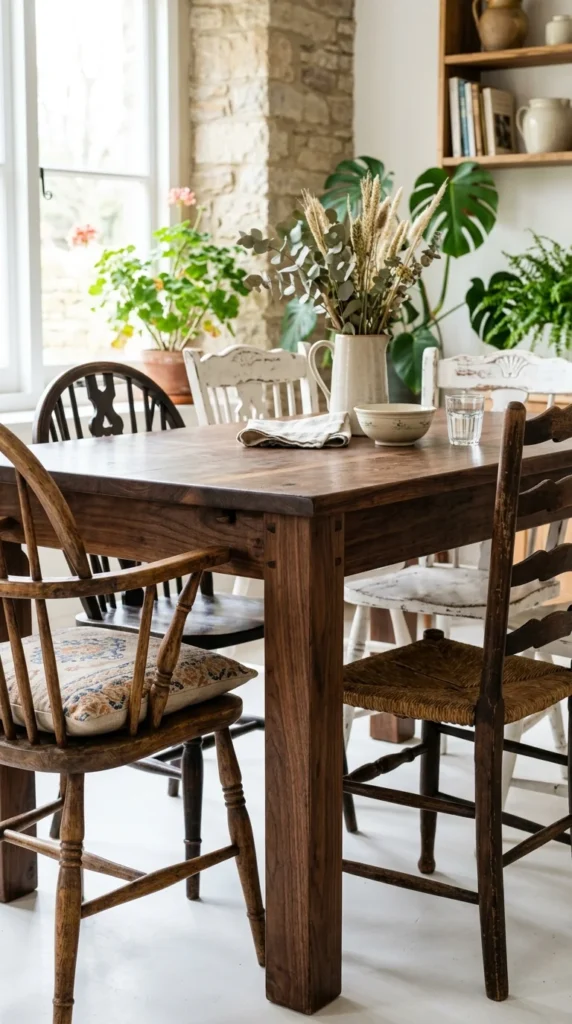
Investing in heirloom-quality furniture is the cornerstone of slow decorating. Unlike flat-pack items that may degrade within a few years, solid wood pieces—whether a dining table, a sideboard, or a chest of drawers—are built to last generations. These items carry a sense of weight and history. When you choose a piece of furniture with the intention of keeping it for thirty years rather than three, your perspective on design shifts from “current” to “classic.”
2. Layered Textiles
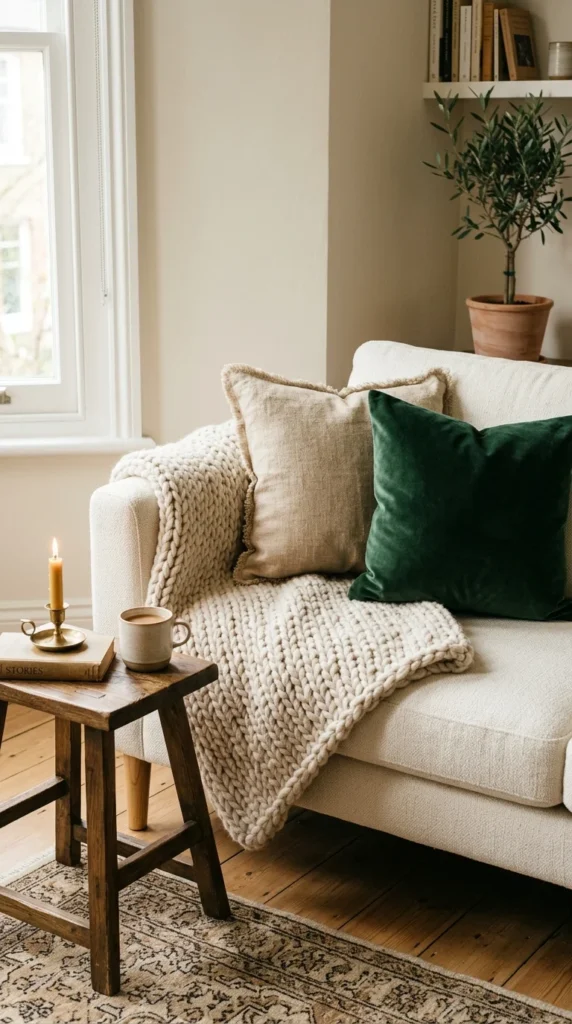
Comfort is built through layers. Instead of buying a matching set of pillows and throws from a single catalog, collect textiles over time. Look for a hand-loomed wool blanket from a local weaver, linen pillow covers that soften with every wash, and perhaps a silk-blend throw found during your travels. This organic layering creates a tactile richness that feels lived-in and warm.
3. Vintage Finds
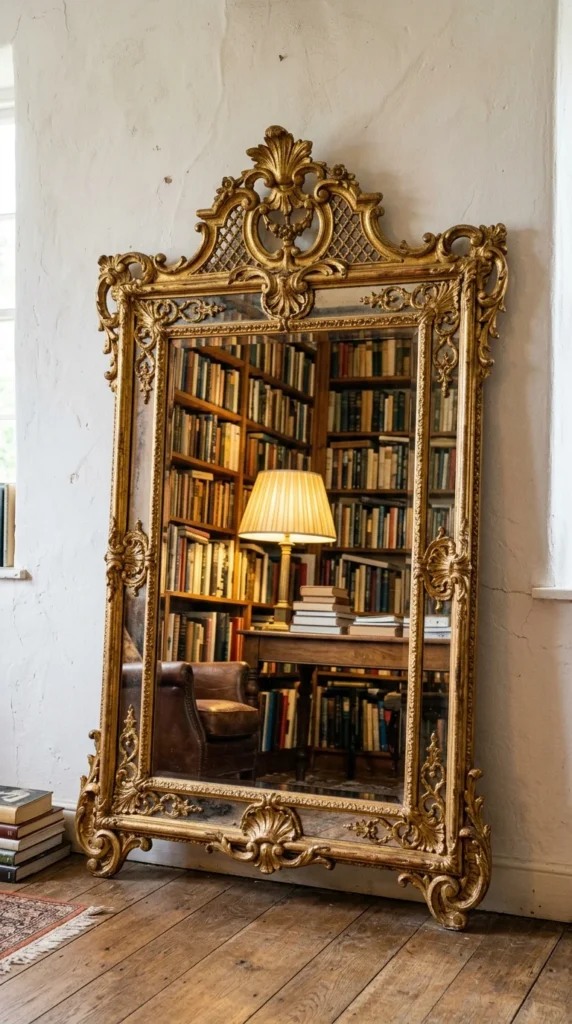
Integrating vintage or antique pieces prevents a room from looking like a showroom. Scouring flea markets, estate sales, and antique shops requires patience, but the payoff is a unique piece with a “patina” that cannot be manufactured. A 19th-century mirror or a mid-century modern credenza adds a sense of soul and architectural interest to a modern living space.
4. Living Greenery
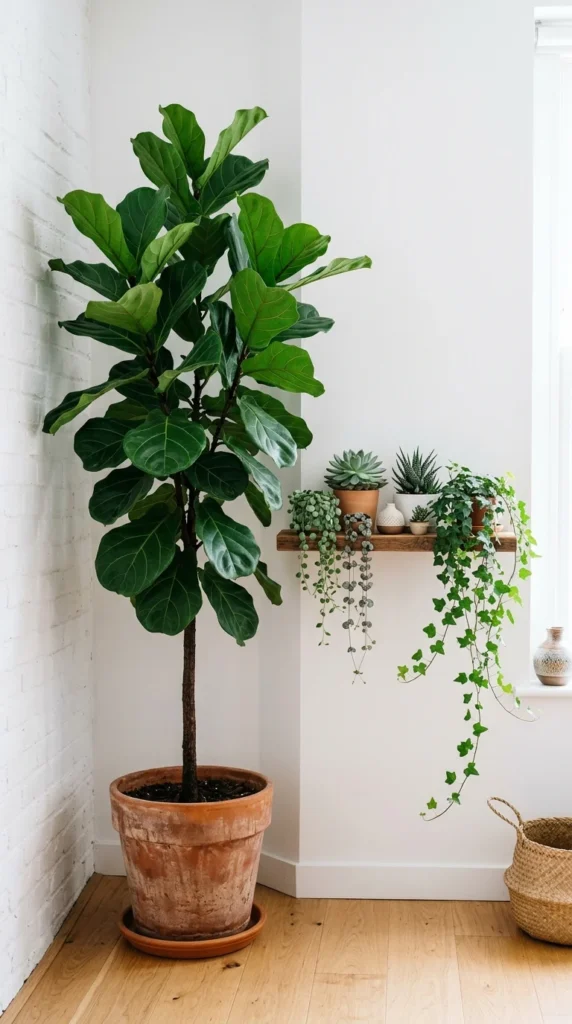
Slow decorating involves nurturing things that grow. Instead of buying artificial plants for instant greenery, invest in real indoor plants and watch them thrive over the years. A large Ficus or a Monstera that you’ve raised from a sapling becomes a living testament to the time spent in your home. Plants provide a natural, changing element to your decor that evolves with the seasons.
5. Handcrafted Ceramics
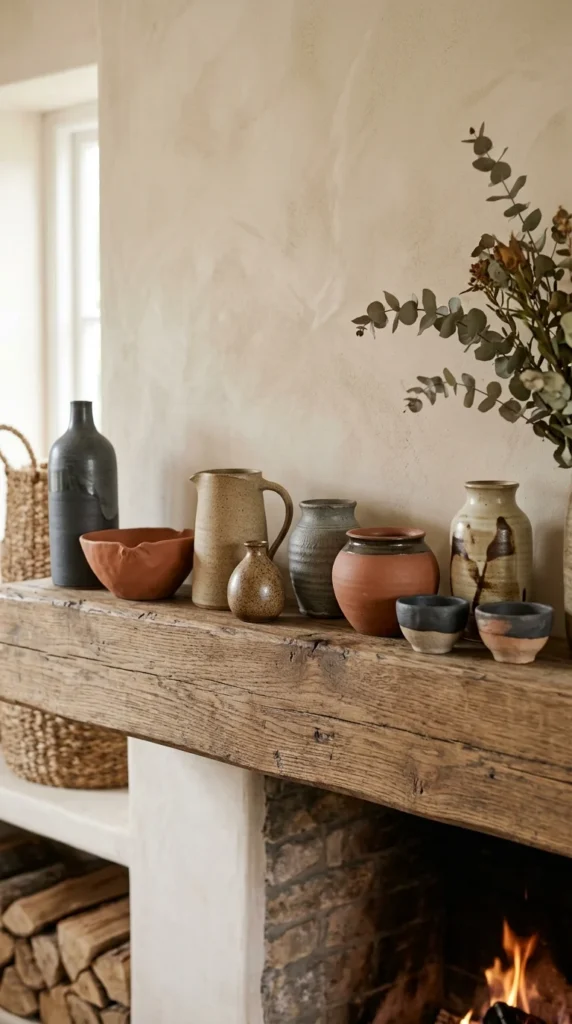
Replace mass-produced dinnerware and vases with pieces made by human hands. Handcrafted ceramics often bear the subtle marks of the potter’s wheel or the artisan’s fingers, making each item one-of-a-kind. Collecting these pieces slowly—perhaps one new mug or vase per year—results in a curated collection that feels intentional and artistic.
6. Neutral Foundations
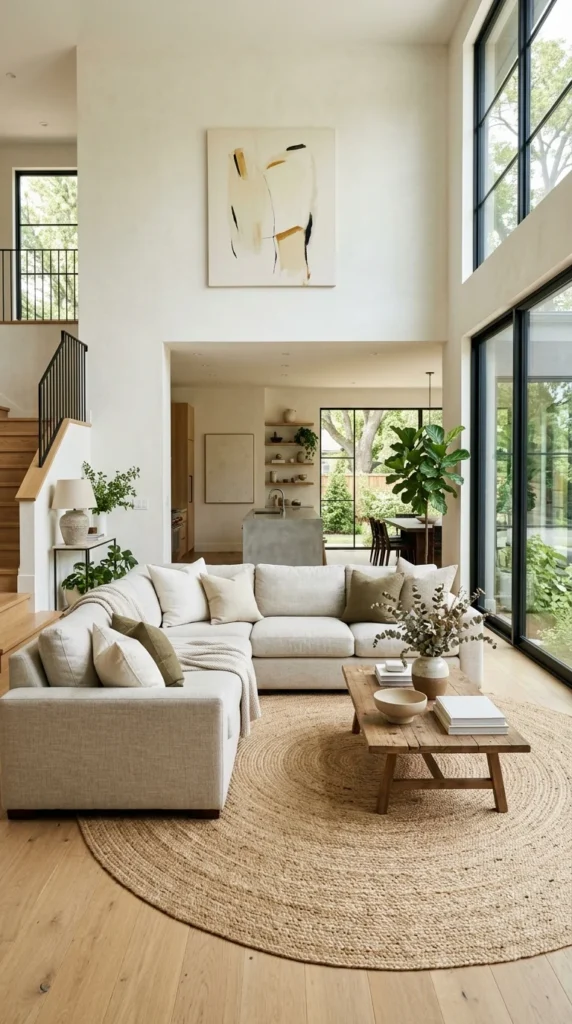
A timeless space often begins with a neutral color palette. By choosing high-quality foundations in shades of oatmeal, bone, sand, or grey, you create a versatile backdrop that allows your evolving collection of art and objects to shine. Neutrals are less likely to feel dated as trends shift, ensuring your large investments remain relevant for decades.
7. Personal Galleries
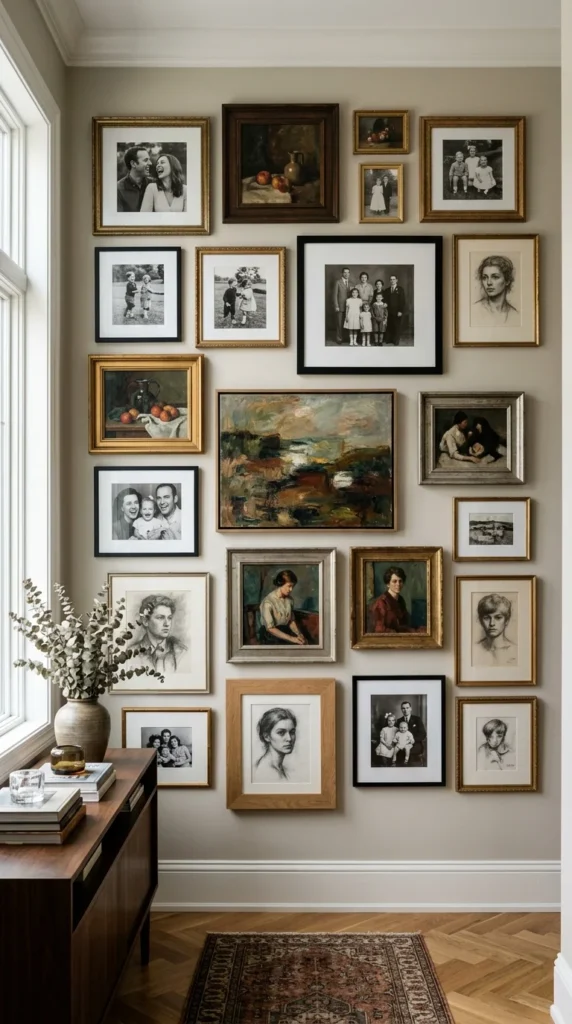
Avoid “filler art” meant solely to match a color scheme. Instead, build a gallery wall slowly. Frame original sketches, postcards from meaningful trips, or photographs you’ve taken yourself. The goal is to create a visual autobiography on your walls. When every piece of art has a memory attached to it, the room feels significantly more intimate.
8. Ambient Lighting
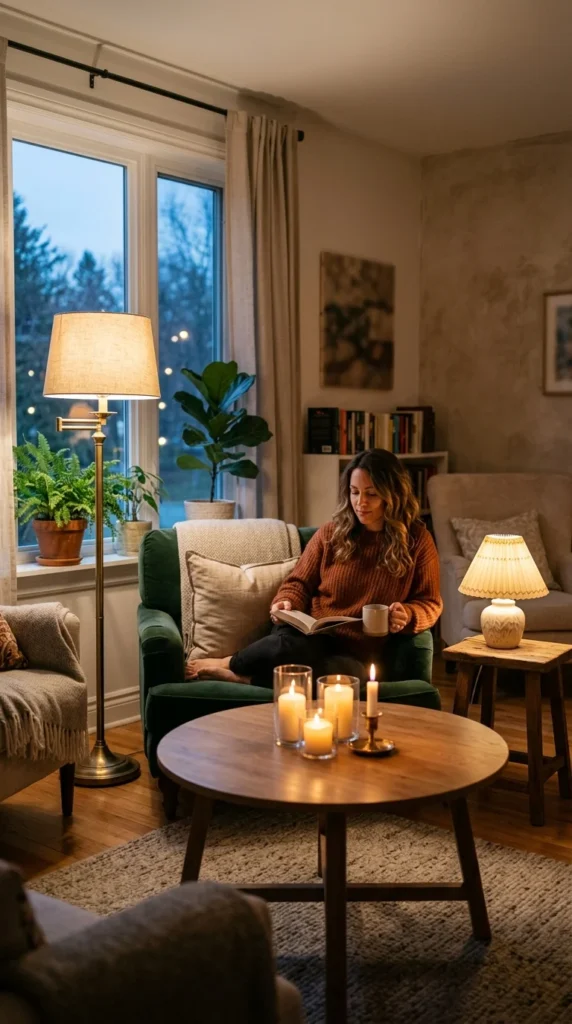
Lighting is the quickest way to change the mood of a room. Avoid the harshness of “the big light” (overhead lighting) and instead focus on layering light through lamps and sconces. Slow decorating means finding the perfect lamp for a specific corner. Look for varied materials like pleated fabric shades, alabaster bases, or aged brass finishes to add character even when the lights are off.
9. Natural Materials
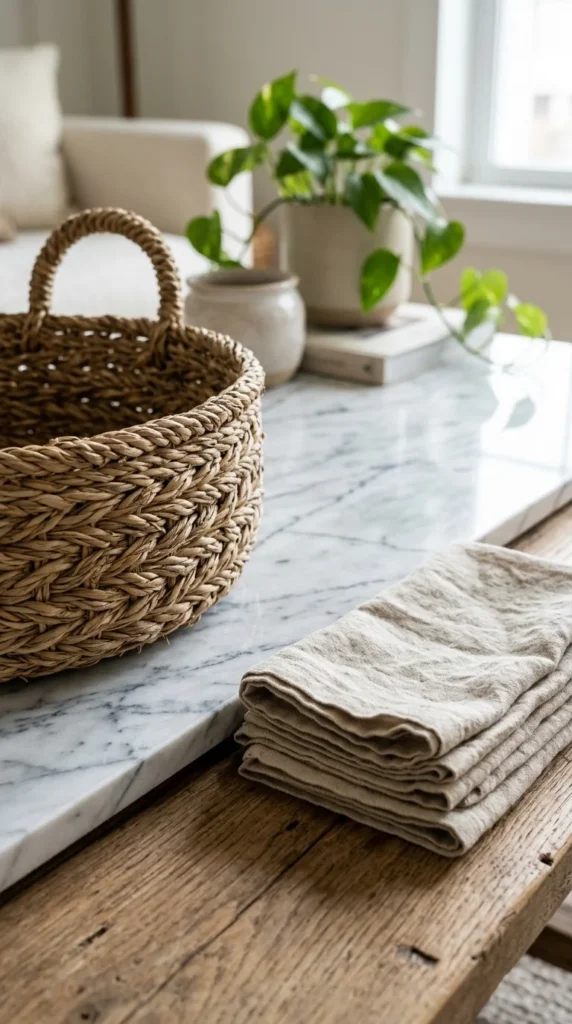
The most timeless homes are those that bring the outdoors in. Incorporate materials that age gracefully, such as marble, slate, leather, and linen. These materials possess a tactile honesty. A marble tabletop may develop slight etches over time, and leather will develop a beautiful sheen—both of which add to the story of a home rather than looking “worn out.”
10. Curated Bookshelves
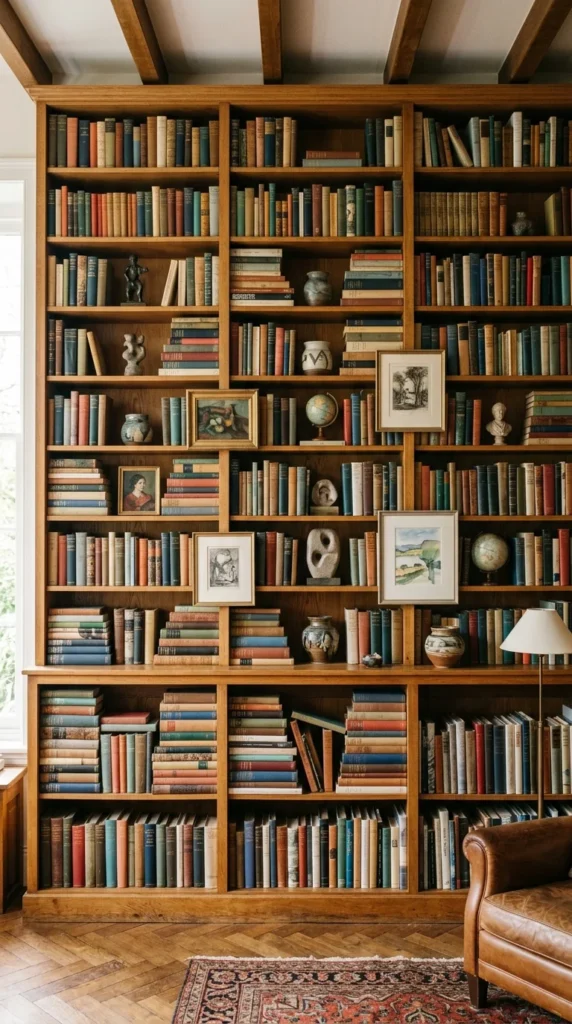
A bookshelf should be a reflection of your intellectual interests, not a decorative prop. Instead of buying books by the color of their spines, let your library grow naturally. A mix of well-read novels, art books, and leather-bound classics creates a sophisticated and cozy atmosphere. Leave room for future acquisitions; a packed-to-the-brim shelf leaves no room for growth.
11. Statement Seating
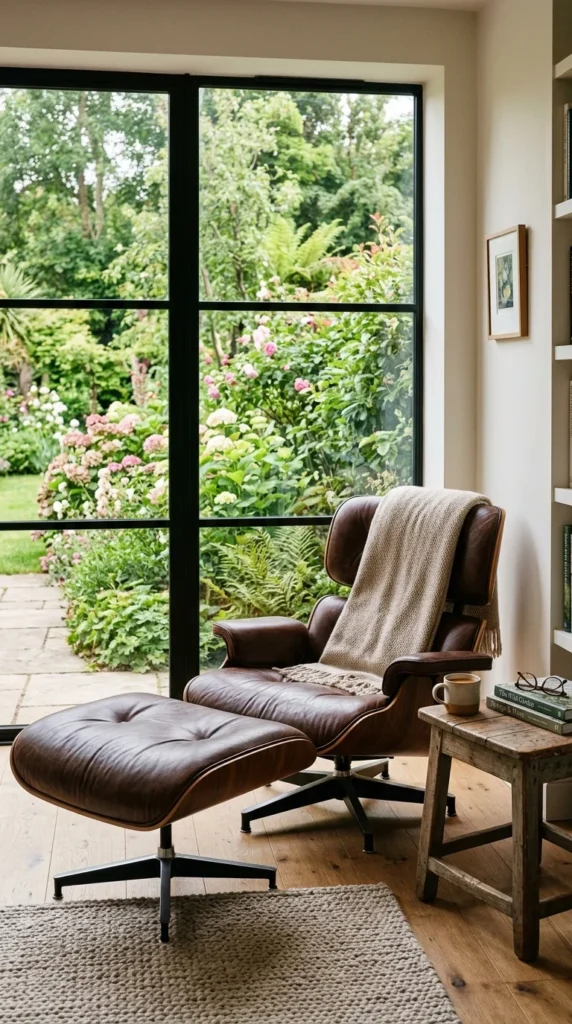
Sometimes, a room only needs one extraordinary piece to ground it. A statement armchair—whether it’s a classic Eames chair or a plush velvet wingback—can serve as the focal point of a living area. Take your time choosing a piece that is as comfortable as it is beautiful, ensuring it’s a place you’ll want to sit for years to come.
12. Artisanal Rugs
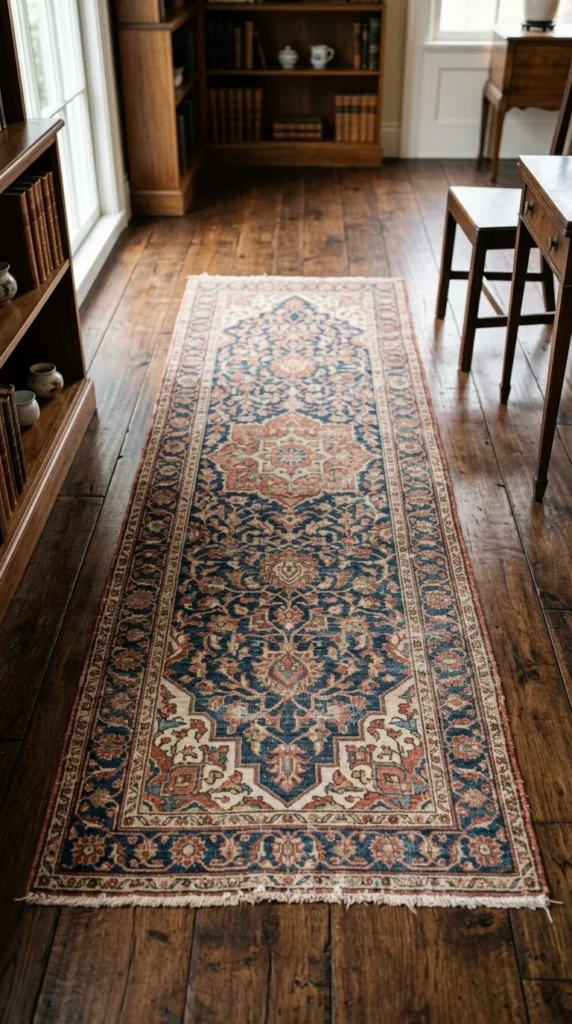
A high-quality, hand-knotted rug is a significant investment, but it is one of the most impactful elements of slow decorating. Unlike synthetic rugs that flat-line and trap odors, wool or silk rugs are durable, easy to clean, and often increase in beauty as they age. They provide a structural “anchor” for your furniture and add an immediate sense of luxury.
13. Patina Finishes
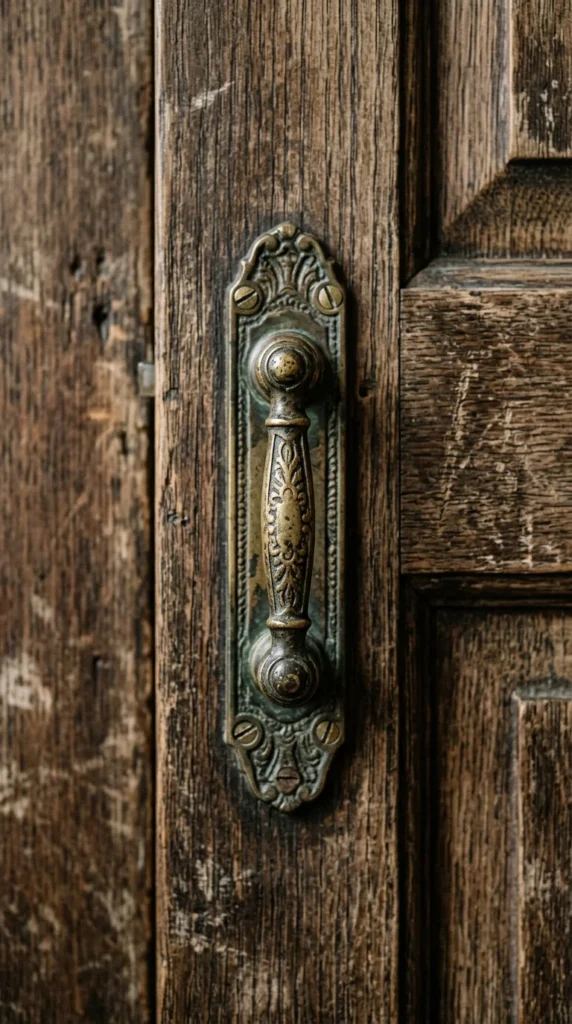
Embrace the “perfectly imperfect.” Items with a patina—like unlacquered brass that darkens over time or a wooden bench with softened edges—give a home a sense of permanence. These finishes suggest that the home is lived in and loved, rather than being a sterile environment where every scratch is a catastrophe.
14. Seasonal Transitions
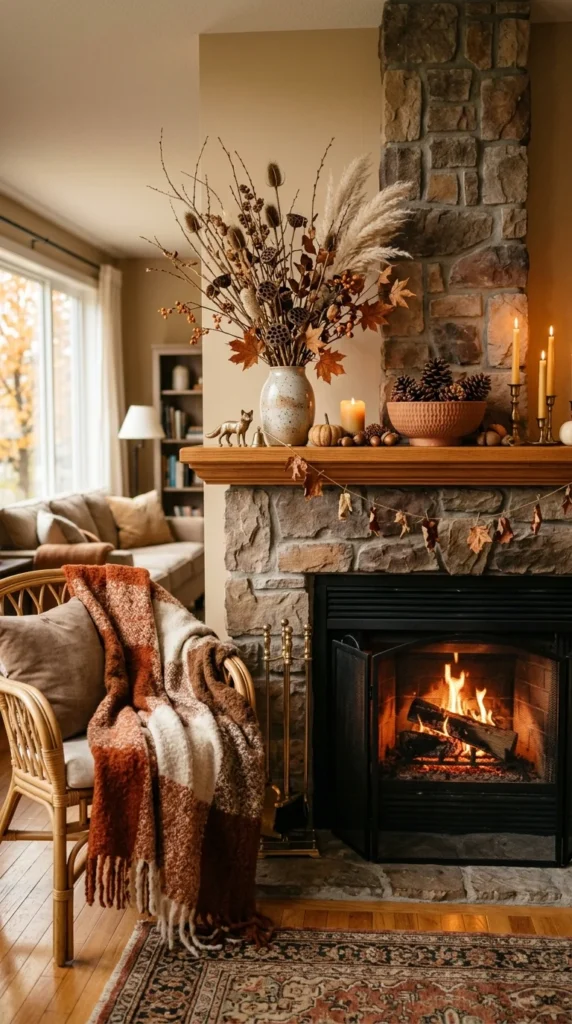
Slow decorating is also about acknowledging the rhythm of the year. Rather than buying plastic seasonal decor, use natural elements to transition your space. Fresh branches in the spring, bowls of citrus in the summer, or dried stalks and heavy wools in the winter allow your home to feel in sync with the outside world.
15. Meaningful Vignettes
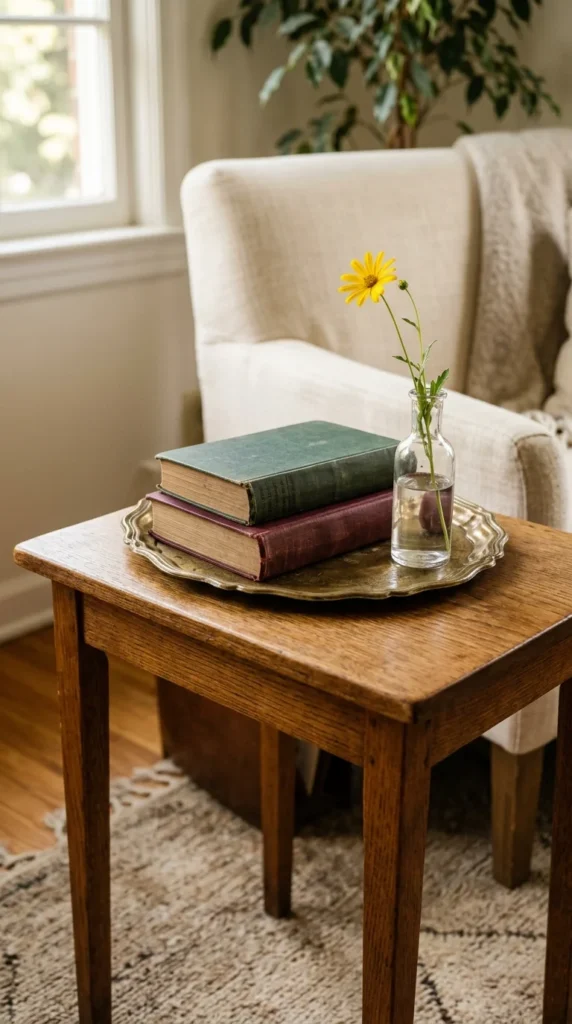
Instead of cluttering every surface, create intentional “vignettes”—small, curated groupings of objects. A vignette might include a favorite candle, a found stone from a beach, and a small framed photo. These little moments of beauty offer “resting places” for the eye and make a space feel thoughtfully composed.
16. Architectural Details
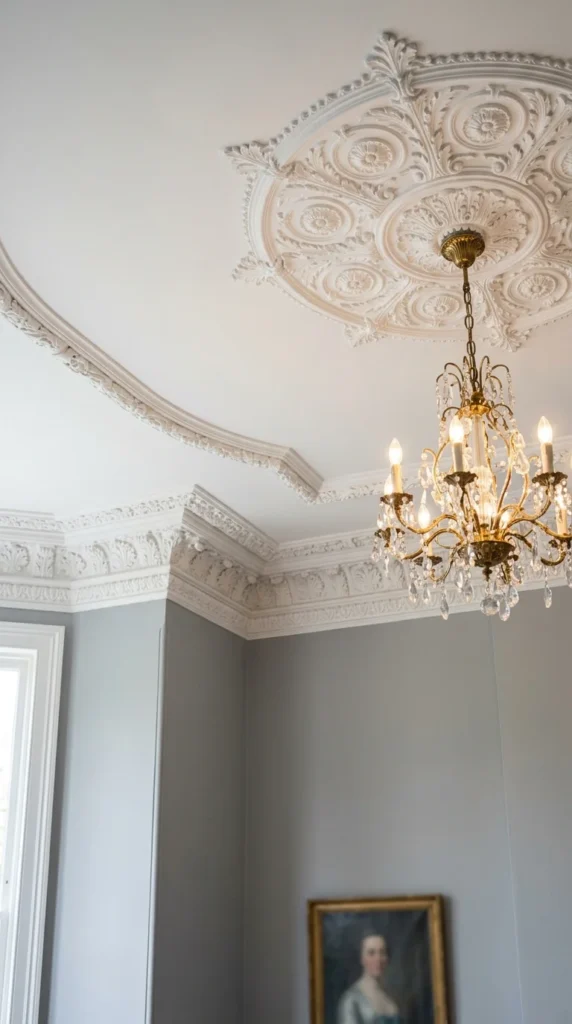
If you are renovating or have the ability to make permanent changes, focus on architectural details. Adding picture frame molding, a classic fireplace mantel, or high baseboards can transform a plain room into one with character. These details provide a “good bones” foundation that makes even minimal furniture look intentional.
17. Repurposed Items
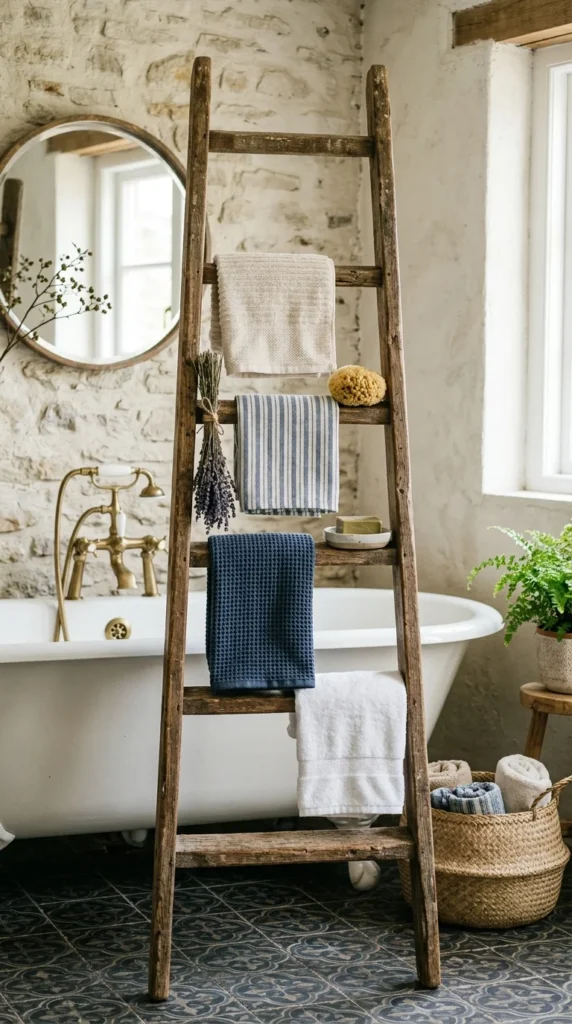
Give new life to old objects. An antique trunk can become a coffee table; a vintage ladder can hold extra blankets. Repurposing items requires a creative eye and a “slow” approach to sourcing, ensuring that your home doesn’t look like everyone else’s.
18. Tactile Walls
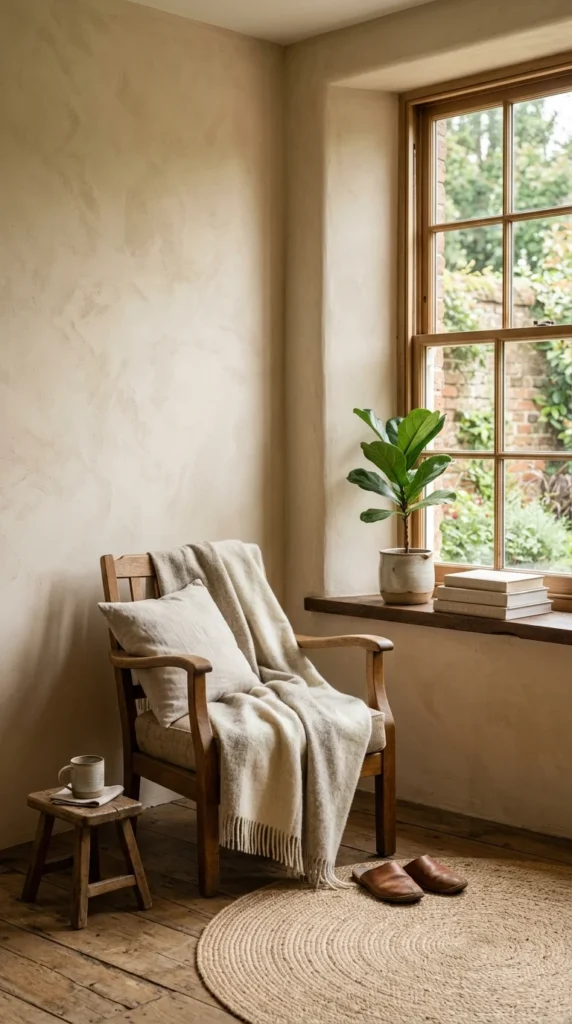
Move beyond flat latex paint. Consider textured wall finishes like lime wash, plaster, or high-quality grasscloth wallpaper. These finishes add depth and a sense of history to a room. They catch the light differently throughout the day, providing a subtle, organic movement that flat paint cannot replicate.
19. Scent of Home
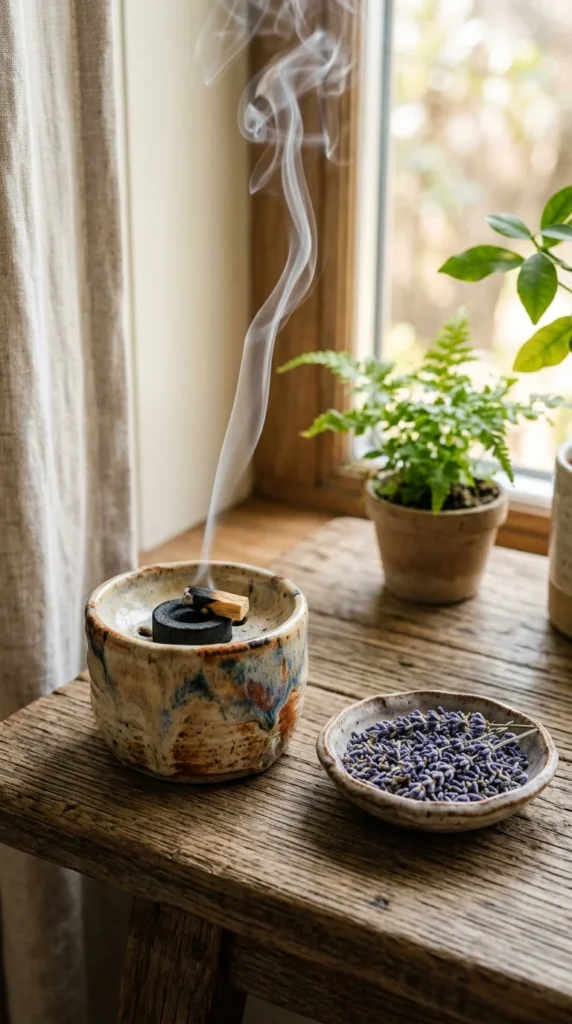
A timeless home appeals to all senses. Finding a “signature scent” for your home—whether through high-quality beeswax candles, essential oil diffusers, or incense—adds an invisible layer of coziness. Scent is strongly linked to memory, and a consistent, pleasant aroma will make the space feel like a true sanctuary.
20. Cozy Nooks
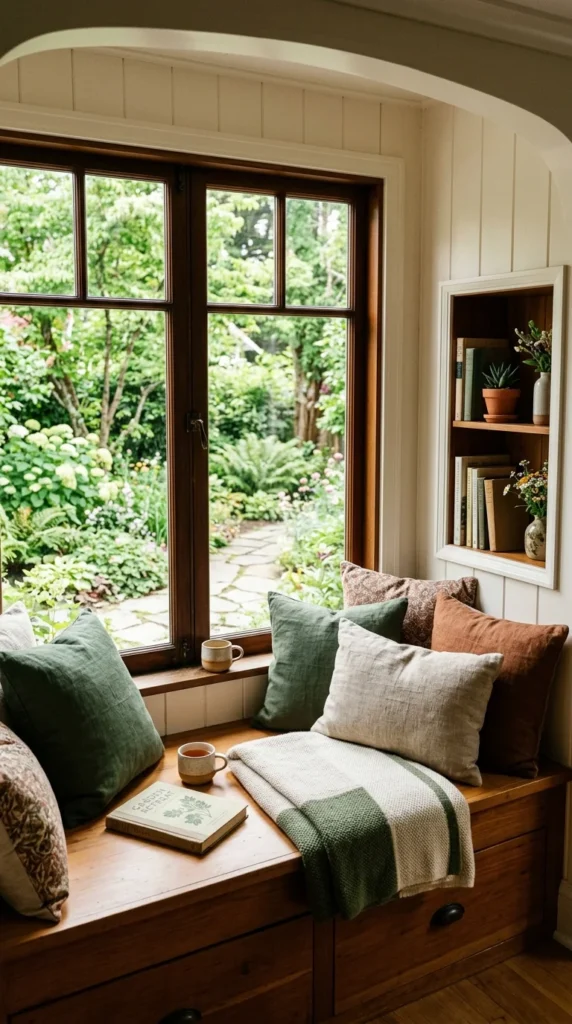
Identify a corner of your living space that can be dedicated to rest. A slow-decorated home prioritizes function and feeling over purely aesthetic layouts. A reading nook with a comfortable chair, a small table for tea, and a soft lamp encourages you to slow down and enjoy the environment you’ve created.
21. Natural Light Maximation
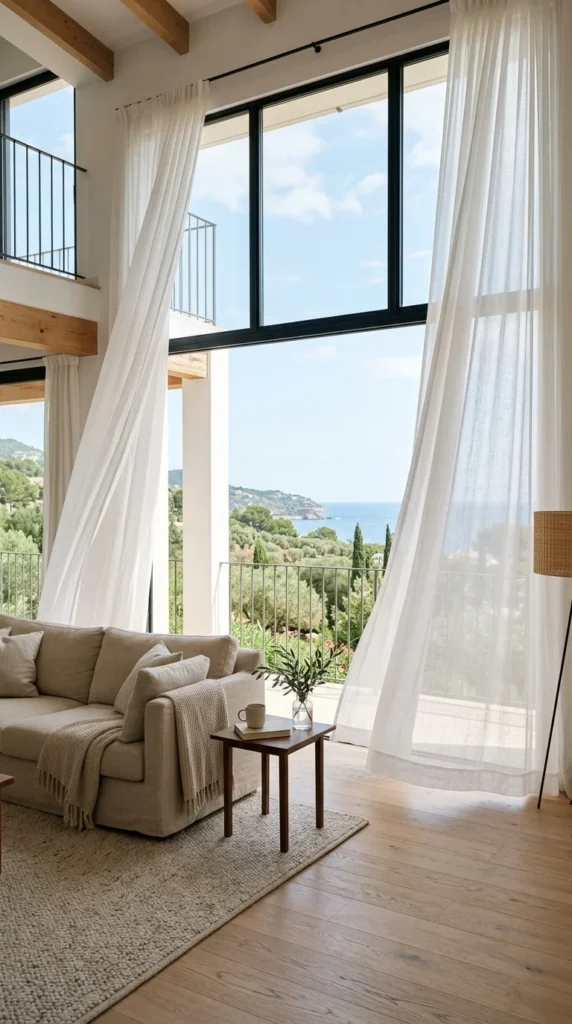
The way light enters a room dictates its energy. Slow decorating involves observing how the sun moves through your space. Use sheer curtains to soften harsh rays or mirrors to bounce light into darker corners. Prioritizing natural light makes a space feel larger, cleaner, and more connected to the outdoors.
22. Quality Hardware
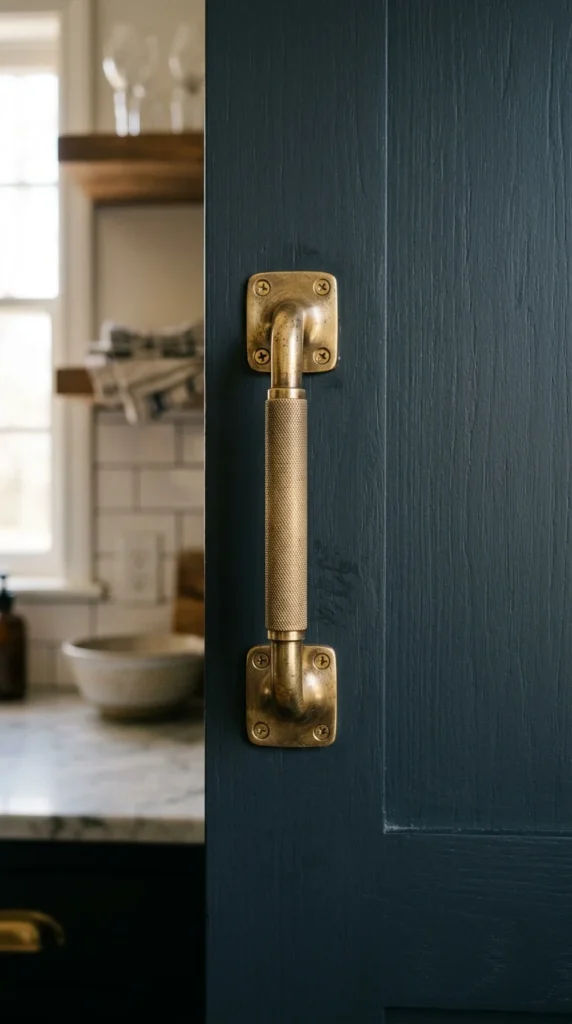
Often overlooked, the hardware in a home is something you touch every day. Replacing cheap, builder-grade knobs and pulls with heavy, solid-metal versions is a small change that yields a high “perceived value.” It is a subtle detail that contributes to the overall feeling of quality and permanence in a space.
23. Intentional Empty Space
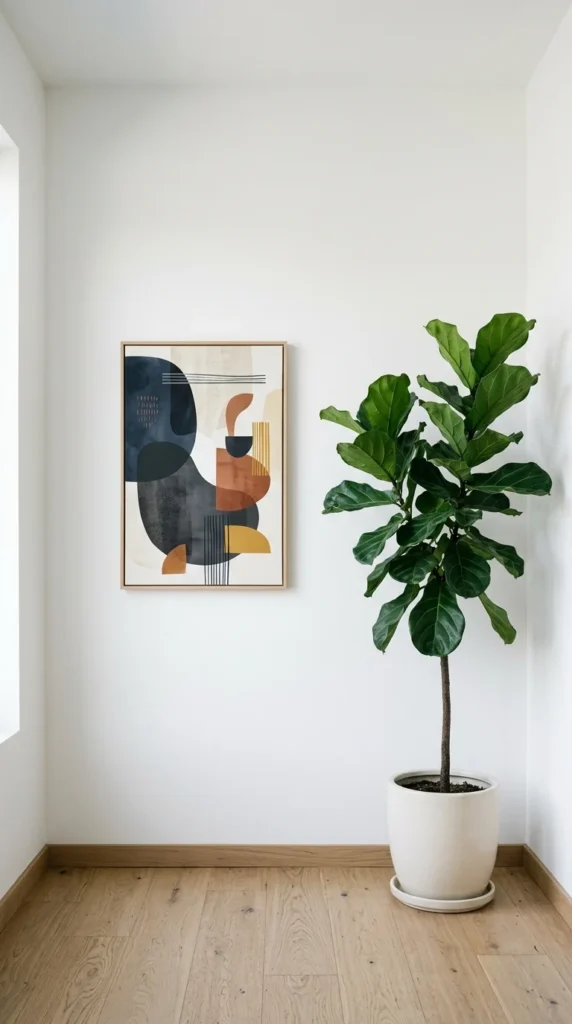
Perhaps the most important aspect of slow decorating is knowing when to stop. You do not need to fill every corner. Leaving “negative space” allows your chosen pieces to breathe and prevents the home from feeling cluttered. It also leaves room for the future—for the next piece of art or the next heirloom that you haven’t found yet.
Slow decorating is a journey, not a destination. It is the practice of patience and the celebration of the “find.” By following these ideas, you aren’t just decorating a room; you are cultivating a lifestyle that values quality over quantity and soul over trends. Your living space will become a timeless haven that grows more beautiful with each passing year.