
In a world driven by fast furniture and instant trends, the concept of “slow decorating” has emerged as a sanctuary for the soul. This philosophy mirrors the slow food movement, emphasizing quality over quantity, intention over impulse, and the beauty of a home that evolves gradually. Slow decorating is about curating a space that reflects your personal history, values, and lifestyle rather than replicating a showroom floor. It requires patience, but the result is a home that feels authentic, deeply personal, and profoundly calming.
By embracing a slower pace, you allow yourself the freedom to wait for the “perfect” piece, to invest in craftsmanship, and to listen to the architecture of your home. Here are 16 slow decorating ideas to help you create a timeless and tranquil living environment.
1. Patient Curation
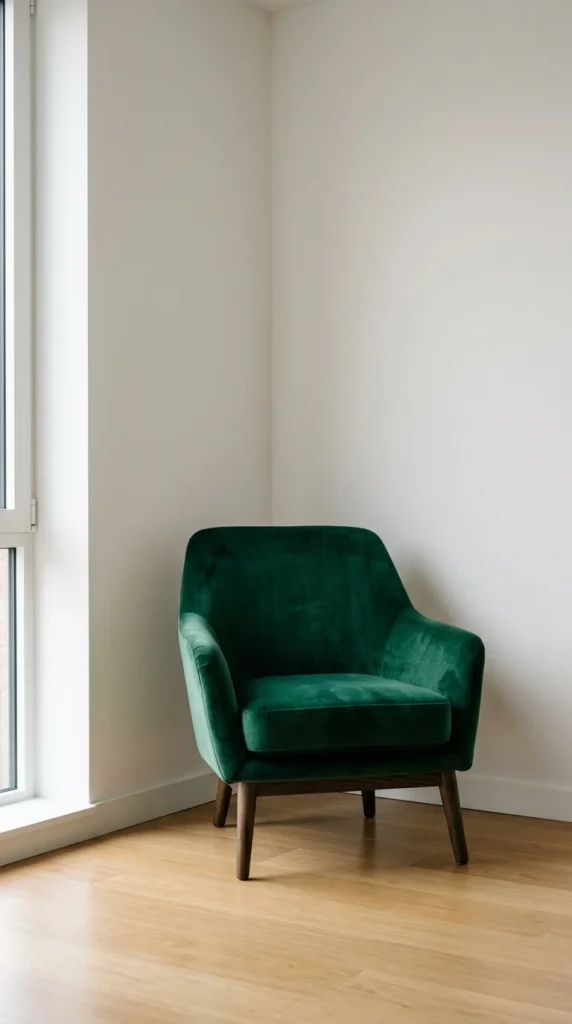
One of the cornerstones of slow decorating is the willingness to live with empty spaces. Instead of rushing to fill every corner of a new home, allow the space to breathe. By waiting to purchase furniture, you gain a better understanding of how you actually use the room, where the light falls at different times of day, and what scale of furniture is truly needed. This intentional waiting prevents impulse buys that often lead to regret and clutter.
2. Timeless Antiques
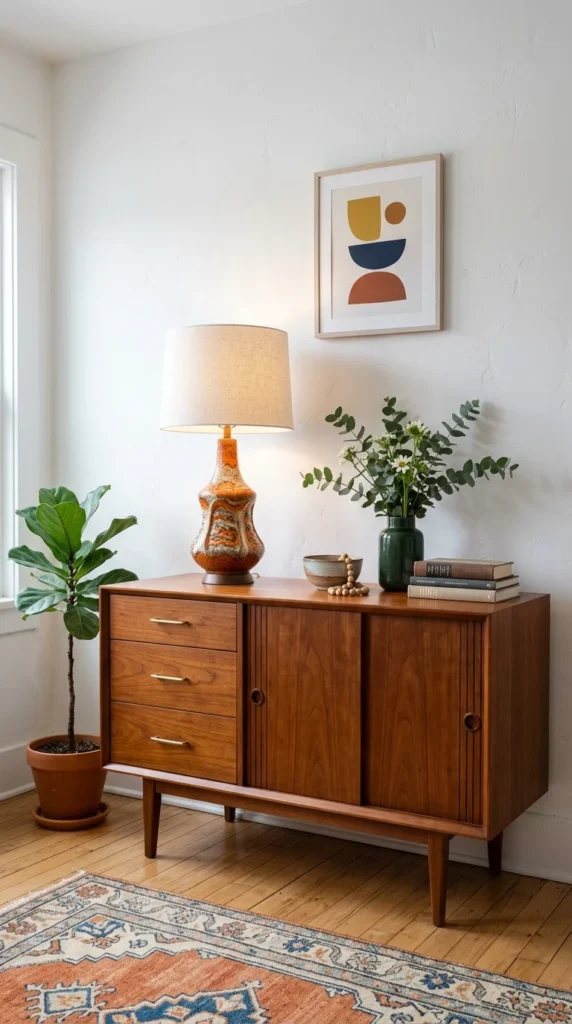
Sourcing vintage and antique pieces is a core practice of slow decorating. These items bring a sense of history and character that mass-produced furniture cannot replicate. Scouring flea markets, estate sales, and antique shops takes time, but finding a unique piece with a story adds a layer of soul to your home. Moreover, older furniture is often built with superior craftsmanship and sustainable materials compared to modern “fast furniture.”
3. Organic Materials
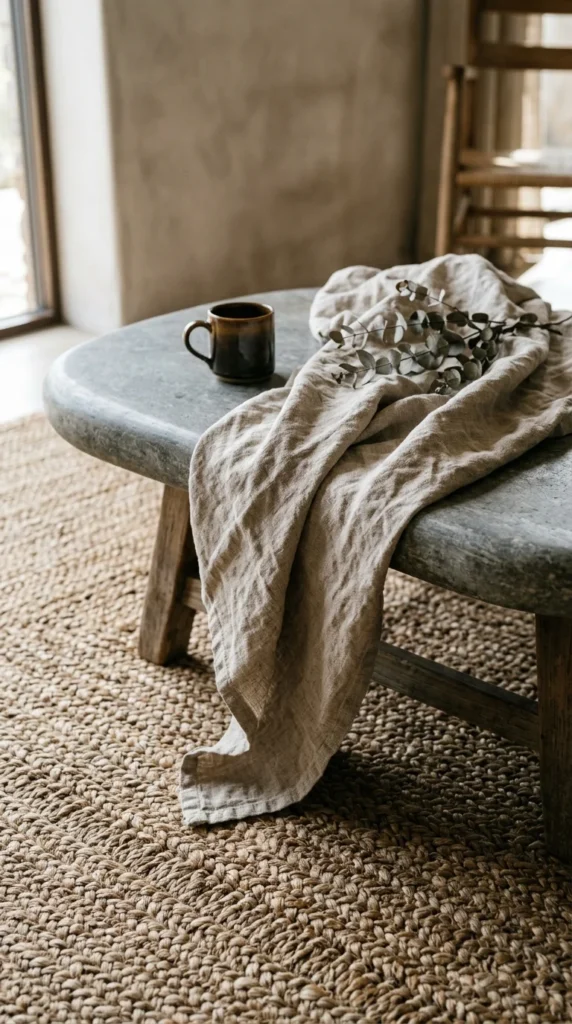
To create a calming atmosphere, look to the natural world. Incorporating materials like solid wood, stone, wool, linen, and clay connects your interior to the outdoors. These materials age gracefully, developing a patina that tells the story of your life within the home. The tactile variety of organic materials also adds depth and warmth to a room without the need for excessive ornamentation.
4. Biophilic Accents
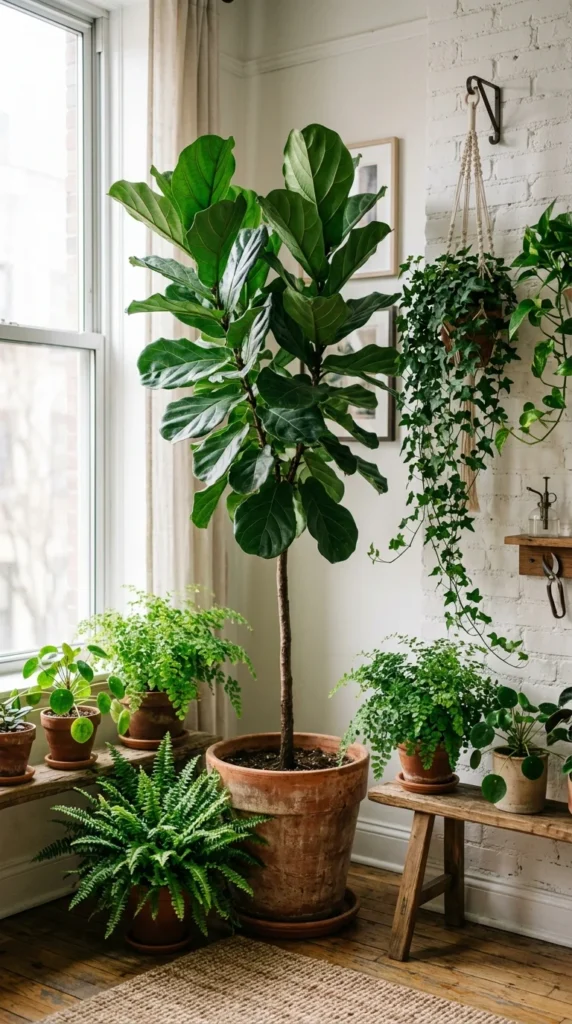
Slowly building a collection of indoor plants is a rewarding way to enhance your home’s air quality and aesthetic. Rather than buying a dozen plants at once, start with one or two and learn their needs. As you become more confident in your gardening skills, add more varieties. Plants are living decor that change with the seasons, providing a dynamic and soothing presence in any room.
5. Layered Lighting
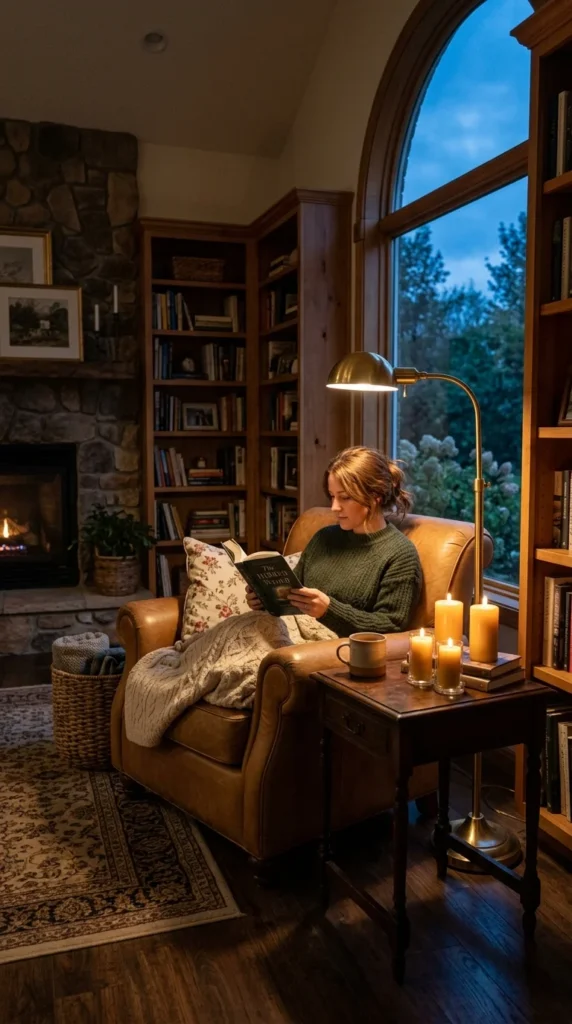
Lighting should be functional and atmospheric. Slow decorating encourages moving away from harsh overhead fixtures in favor of a layered approach. Incorporate floor lamps, table lamps, and wall sconces over time. Focus on warm-toned bulbs and dimmable switches to create a “hygge” environment. The goal is to be able to shift the mood of a room as the day transitions into evening.
6. Handcrafted Decor
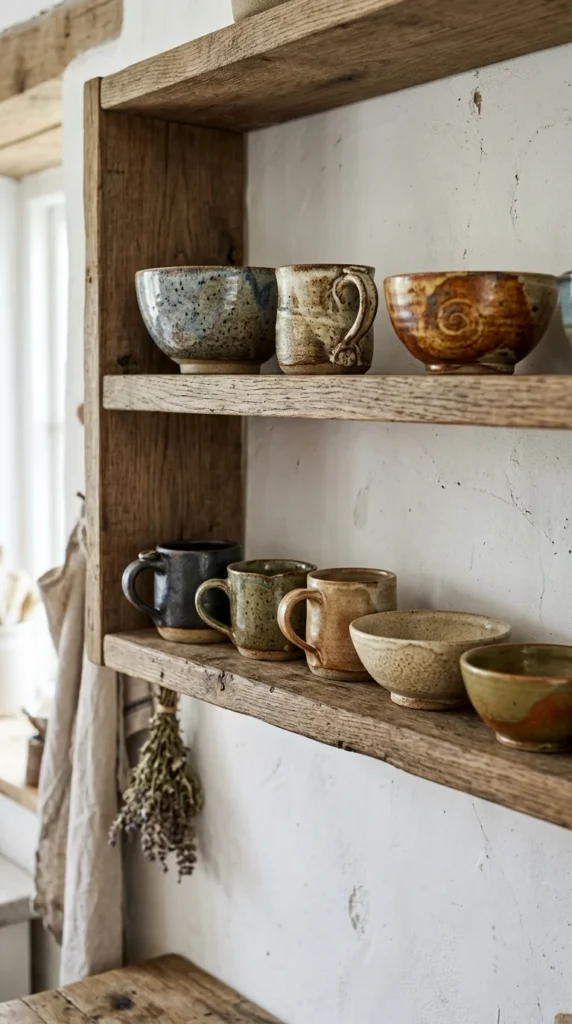
There is a profound beauty in the “perfectly imperfect.” Supporting local artisans and collecting handcrafted items—such as pottery, hand-woven baskets, or hand-turned wooden bowls—adds a human element to your decor. These pieces often carry the energy of the maker and serve as functional art. Because they are handmade, no two pieces are exactly alike, ensuring your home remains unique.
7. Personal Gallery
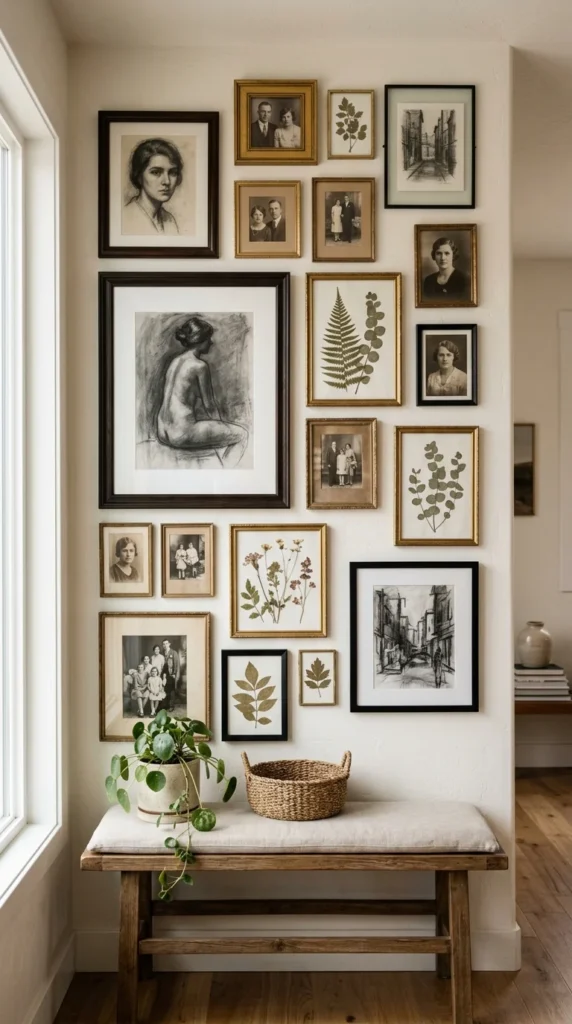
A home should be a reflection of your journey. Instead of buying “filler art” from big-box stores, take the time to frame items that hold personal significance. This could be a postcard from a memorable trip, a sketch by a friend, or an heirloom photograph. Building a gallery wall slowly allows you to curate a collection that truly resonates with your experiences and emotions.
8. Negative Space
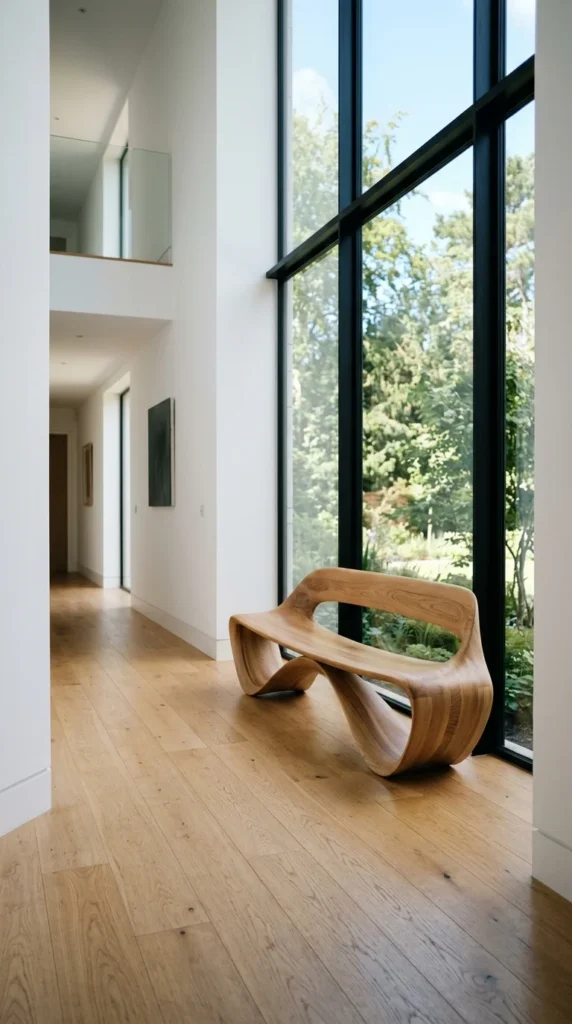
In slow decorating, what you leave out is just as important as what you put in. Embracing negative space prevents visual overwhelm and allows your favorite pieces to stand out. A calm home is one where the eye has a place to rest. By resisting the urge to over-decorate, you create a sense of expansiveness and clarity that is essential for mental well-being.
9. Natural Textiles
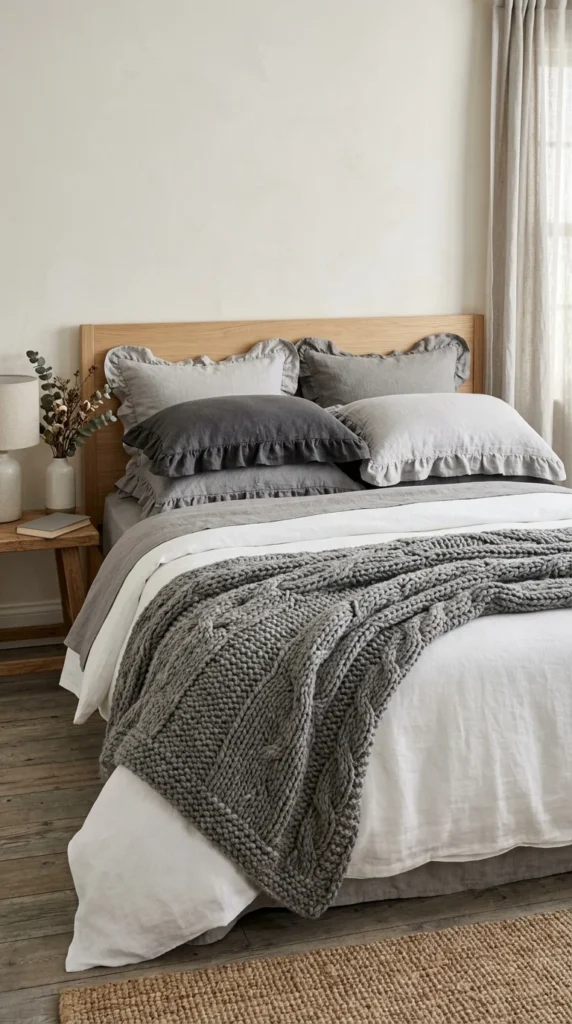
Invest in high-quality textiles made from natural fibers. Whether it’s a hand-knotted wool rug, silk cushions, or organic cotton bedding, these materials feel better against the skin and last much longer than synthetic alternatives. Slowly replacing polyester blends with natural fibers elevates the sensory experience of your home, making everyday rituals feel more luxurious.
10. Sensory Elements
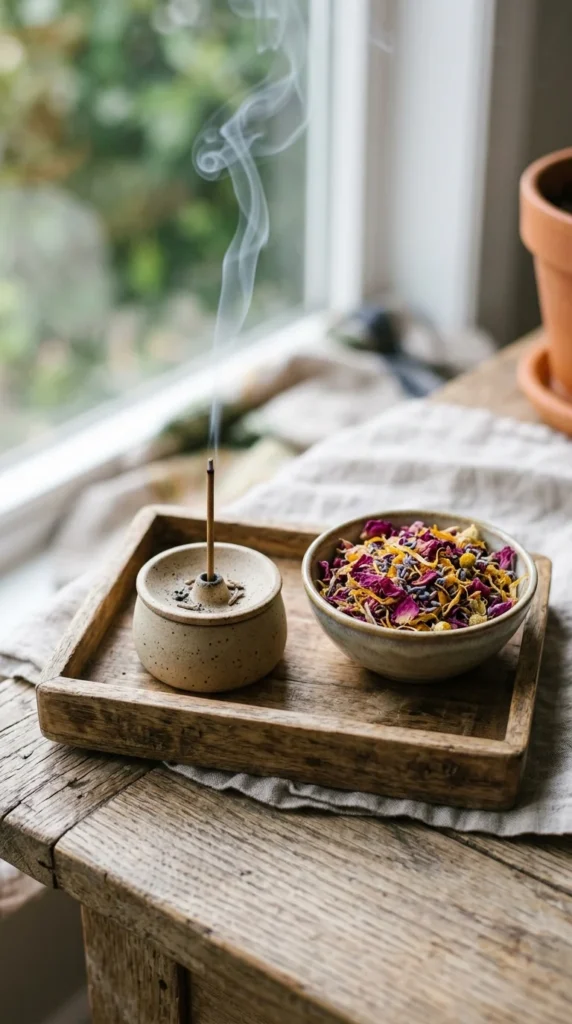
A beautiful home isn’t just about what you see; it’s about how it feels and smells. Integrate sensory elements like high-quality candles, essential oil diffusers, or incense. Choose scents that evoke calm, such as sandalwood, lavender, or cedar. Slow decorating involves finding the specific scents and sounds (like the ticking of an heirloom clock or the rustle of linen curtains) that make you feel truly at home.
11. Family Heirlooms
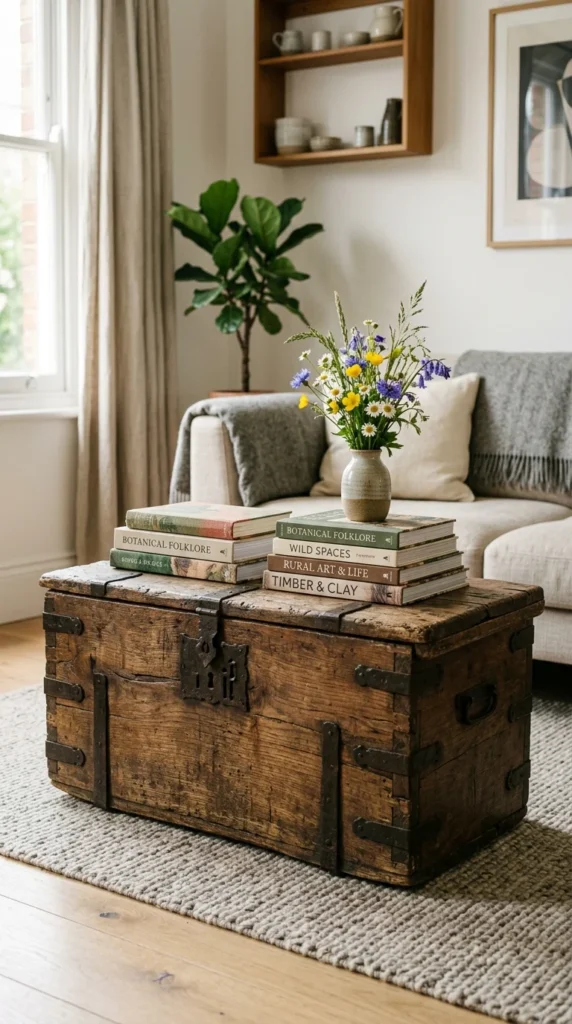
Incorporate items that have been passed down through generations. These heirlooms provide a sense of continuity and grounding. Even if an heirloom doesn’t perfectly match your current style, consider how it can be integrated—perhaps through a new coat of paint, updated upholstery, or simply by placing it in a new context. These pieces serve as anchors in a fast-changing world.
12. Earthy Palettes
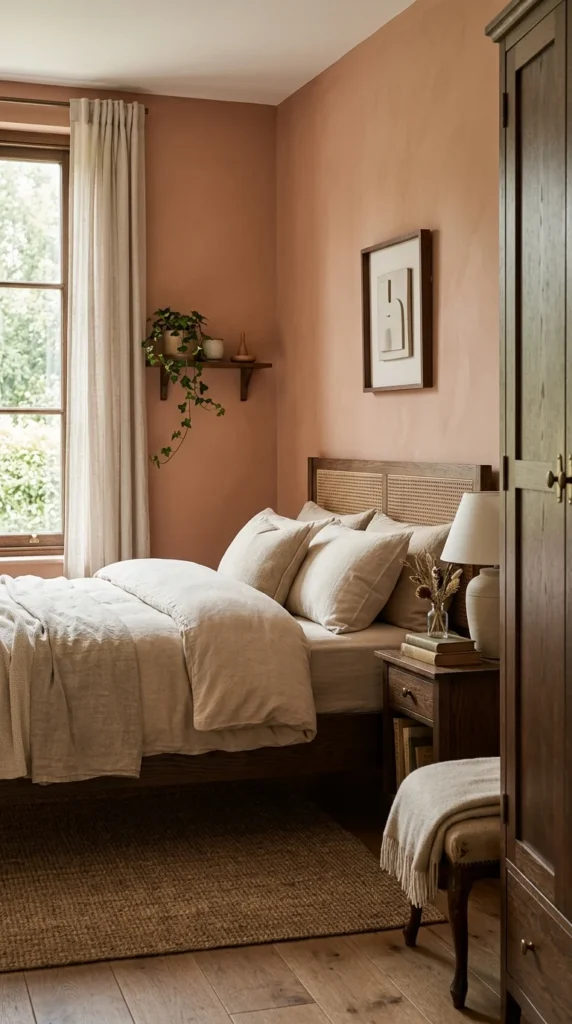
The colors you choose have a direct impact on your nervous system. Slow decorating often favors a palette inspired by nature—soft ochres, sage greens, warm beiges, and deep blues. These colors are timeless and create a cohesive flow throughout the home. Instead of following “Color of the Year” trends, observe which hues make you feel the most at peace and build your palette around them over time.
13. Aesthetic Function
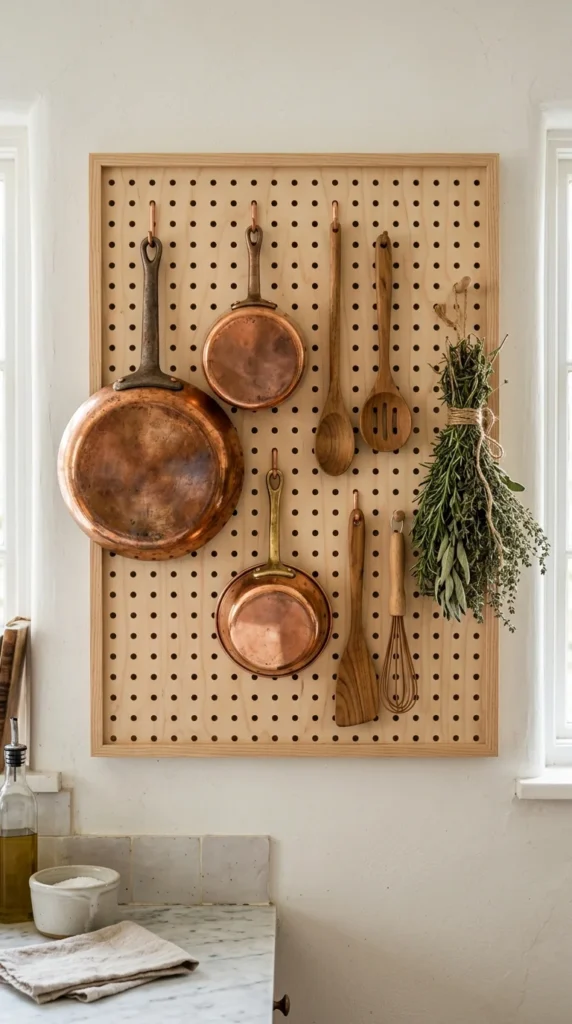
Utility does not have to be ugly. Slow decorating involves replacing mundane plastic items with beautiful, functional alternatives. A wooden dish brush, a copper kettle, or a stone mortar and pestle turn everyday chores into moments of aesthetic appreciation. By choosing beautiful tools, you eliminate the need to hide them away, contributing to a more organized and harmonious space.
14. Dedicated Nooks
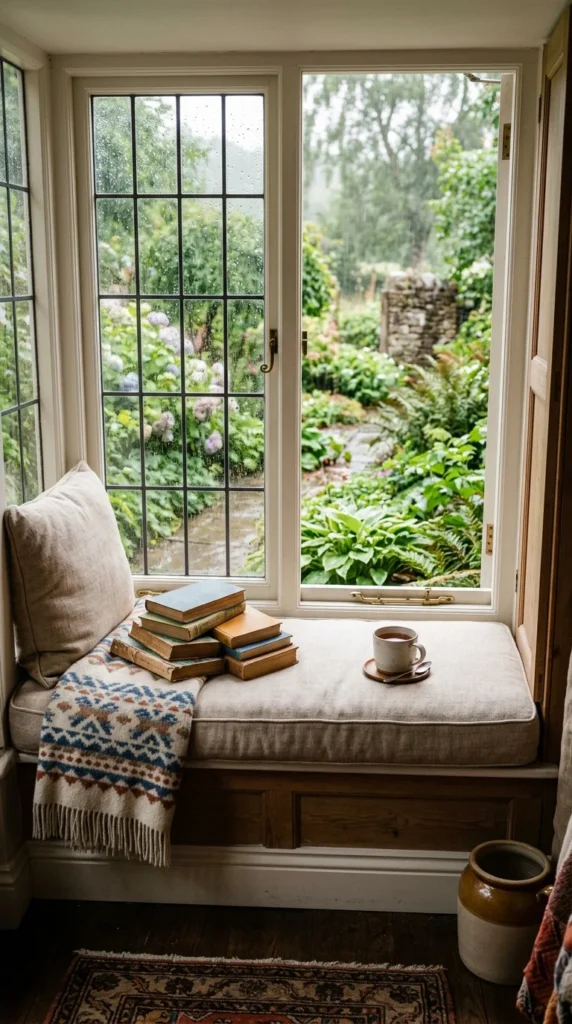
Creating a home that supports your well-being means designating spaces for rest and reflection. This could be a reading nook, a meditation corner, or a dedicated space for tea. Slow decorating encourages you to identify these “micro-sanctuaries” and furnish them with care. These spots become the heart of the home’s “calm,” offering a retreat from the stresses of daily life.
15. Refurbished Finds
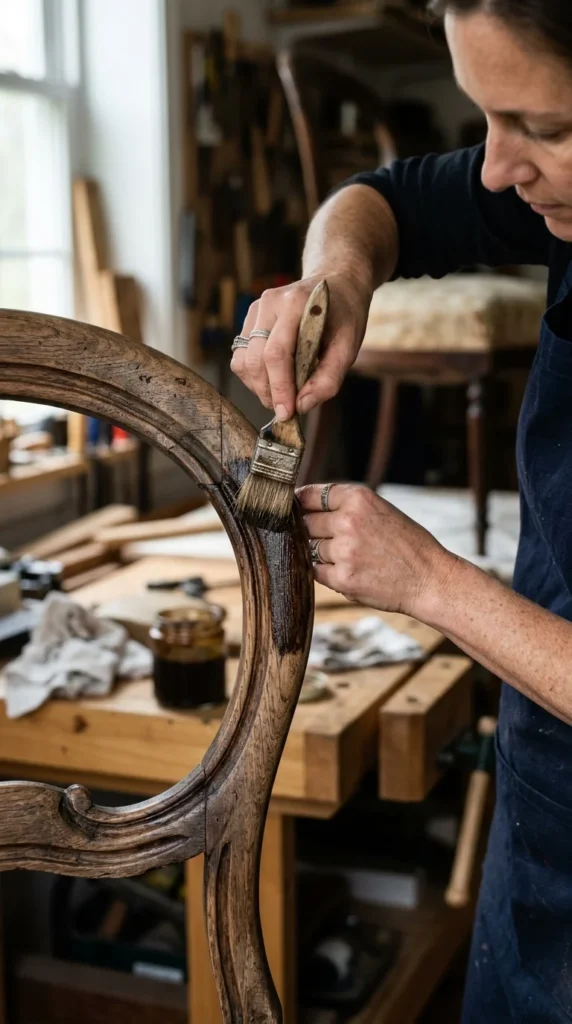
Part of the slow decorating process is the DIY aspect of restoration. Taking an old, worn-out piece of furniture and breathing new life into it through sanding, painting, or reupholstering is deeply satisfying. This process builds a stronger connection between you and your home. The time and effort invested in a refurbished piece make it far more valuable than something bought off a shelf.
16. Evolving Spaces
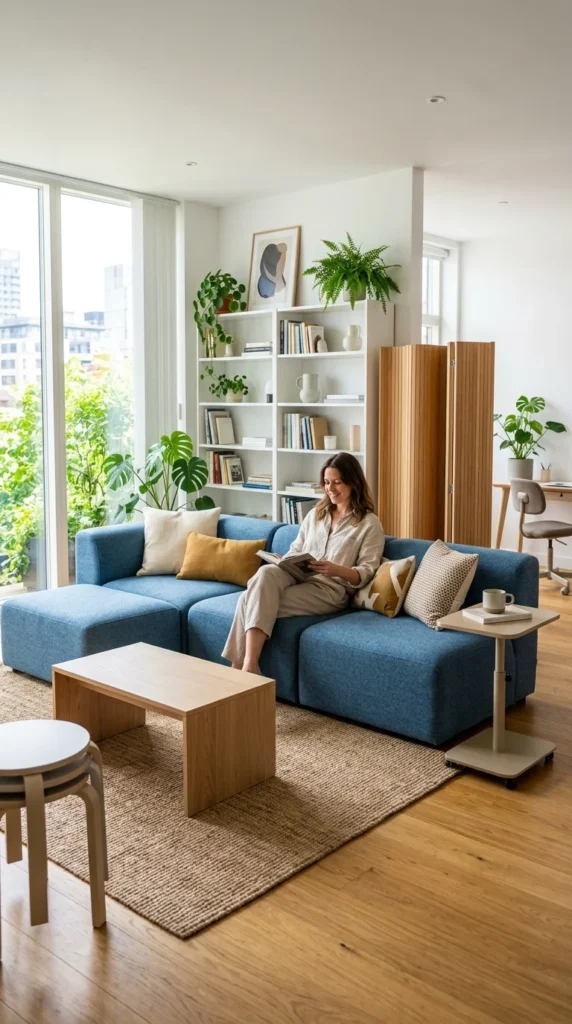
Finally, accept that a home is never truly “finished.” Slow decorating is an ongoing process of editing and evolving. As your life changes, your home should change with you. This might mean moving furniture to a different room, swapping out art, or decluttering items that no longer serve you. By viewing your home as a living entity, you remove the pressure of perfection and allow for a more authentic, beautiful, and calm environment to flourish.